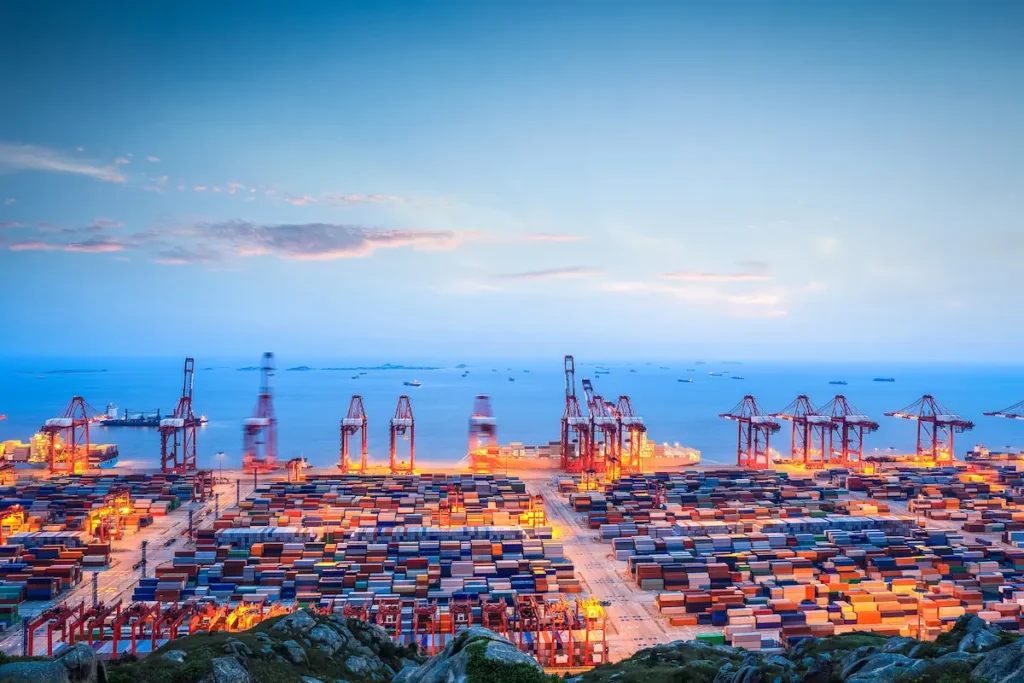

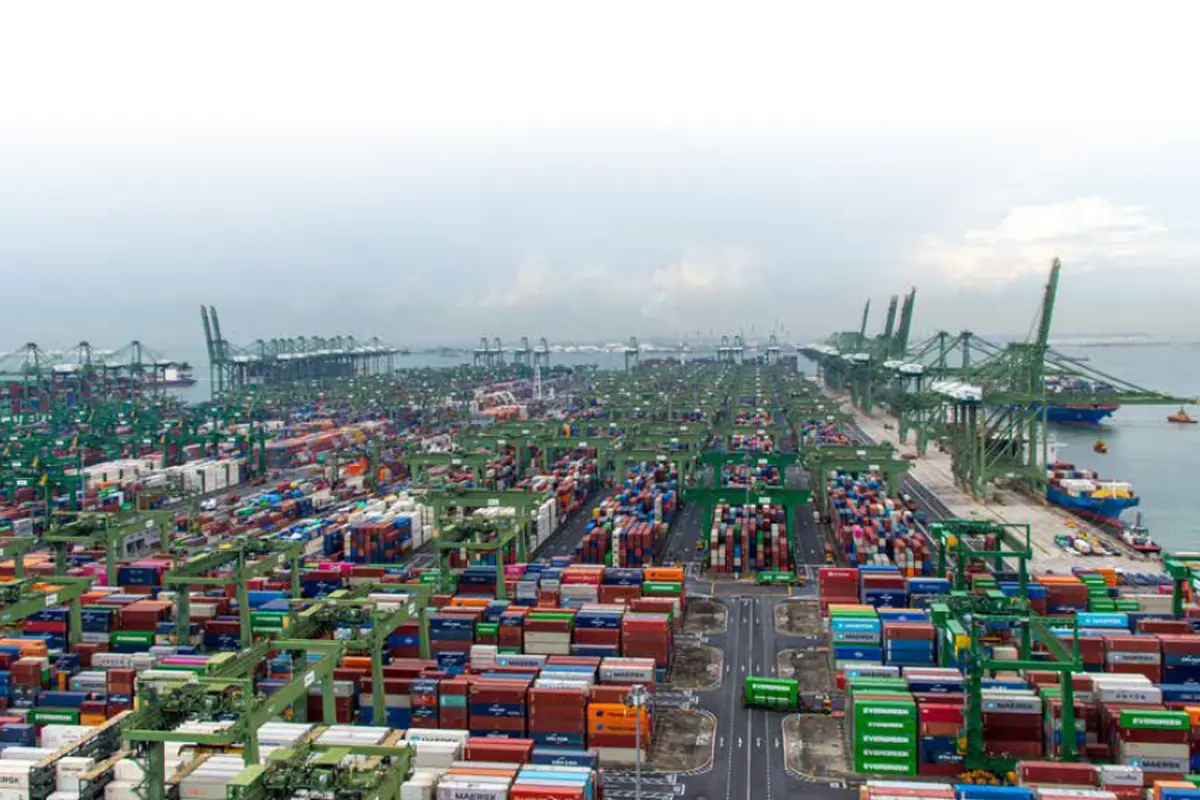
The sixth Container Port Performance Index has landed, jointly published by the World Bank Group and S&P Global Market Intelligence.. Covering over 400 ports worldwide from 2020 to 2025, it is a key indicator of operational efficiency and supply chain reliability, sparking debates about who is top and who is bottom..
But before you get drawn in by these headlines, learn how to read the report properly.. Get that right, and it becomes a genuinely useful tool.. Get it wrong, and you will draw the wrong conclusions as many do..
Why this year’s report is different
What makes this year’s edition stand out is that, for the first time, the CPPI functions as a proper six-year trend line rather than six separate snapshots..
In the past, each edition was scored on its own, so you could not honestly line up one year against another.. You could see the ranking, but never the real direction of travel..
This year, the index features an expanded multi-year trend analysis, built consistently from 2020 to 2025, so a port’s movement can be tracked over time.. We can now say a port improved or declined by a certain amount over six years, which was not possible before.. The CPPI this year can be a tool for spotting port efficiency trends..
What the CPPI measures
The CPPI measures ONE thing.. How long a container ship spends in port, compared with how long a ship of that size doing a job of that size should reasonably take.. Less time than expected means efficient, and more time than expected means inefficient..
That clock counts everything from arrival at the port limits to sailing from the berth, time spent waiting to get in, and time spent being worked at the berth.. So a ship sitting idle hurts a port’s score just as much as a ship being worked slowly..
What it does NOT measure
It does NOT measure how much cargo a port handles.. Shanghai moves over 55 million TEUs a year, yet does not sit at number 1..
That is not a contradiction, because the index doesn’t measure volume.. Handling huge throughput and port efficiency are two different things..
It does NOT measure how big or important a port is.. It does NOT measure cost, connectivity, or service quality..
The bigger theme this year
Beyond the rankings, the real message of this edition is about how ports and the wider supply chain affect each other and it runs in both directions..
The report makes two things clear..
- Ships take longer to turn around for two kinds of reasons..
- Some come from OUTSIDE the port, like congestion and the knock-on effect of vessels rerouting around trouble spots such as the Red Sea, then arriving all at once instead of spread out
- Some come from INSIDE the port itself, like too few berths, slow handling, or ships left waiting at anchor..
- Whichever the cause, longer turnaround is both a SIGN of a stressed supply chain AND a cause of more stress.. The delays feed on themselves..
- The opposite is just as true.. Ports that build up their resilience can actually absorb disruptions and keep trade moving..
The World Bank’s Bertrand De la Borde, Global Director for Transport and Logistics, put it best..
“Understanding this two-way relationship is essential.. Ports are not just passively exposed to external shocks; they also dynamically shape how those shocks are transmitted. They can either amplify disruptions or help contain them. Investing in port efficiency and digital management is not only beneficial to shipping lines – it is a core requirement to build more resilient supply chains and reduce the impact of volatility on economies and communities.”
The story in this year’s numbers fits that lens.. East Asian ports continue to perform strongly, while the report also flags promising improvements across Africa, Latin America, and South Asia..
North America staged a strong recovery, led by Los Angeles clawing back from its pandemic backlog, with berth utilisation now among the highest anywhere..
Europe went the other way, with several Mediterranean ports sliding into renewed congestion and Red Sea rerouting.. High income is clearly no longer a shield against disruption..
The ports that improved tended to do it the same way every time.. Private sector participation, predictable berthing, and digitalisation.. The report’s own advice suggests targeted investment in operational efficiency, real-time data sharing, and flexible management practices..
As Turloch Mooney of S&P Global Market Intelligence notes, ports are critical nodes in the global supply chain, and understanding their active role helps everyone prepare better for the next shock..
You can read the full report here.. You can also attend a webinar, which will present it publicly.. Register here for the Webinar on 10th June 2026..