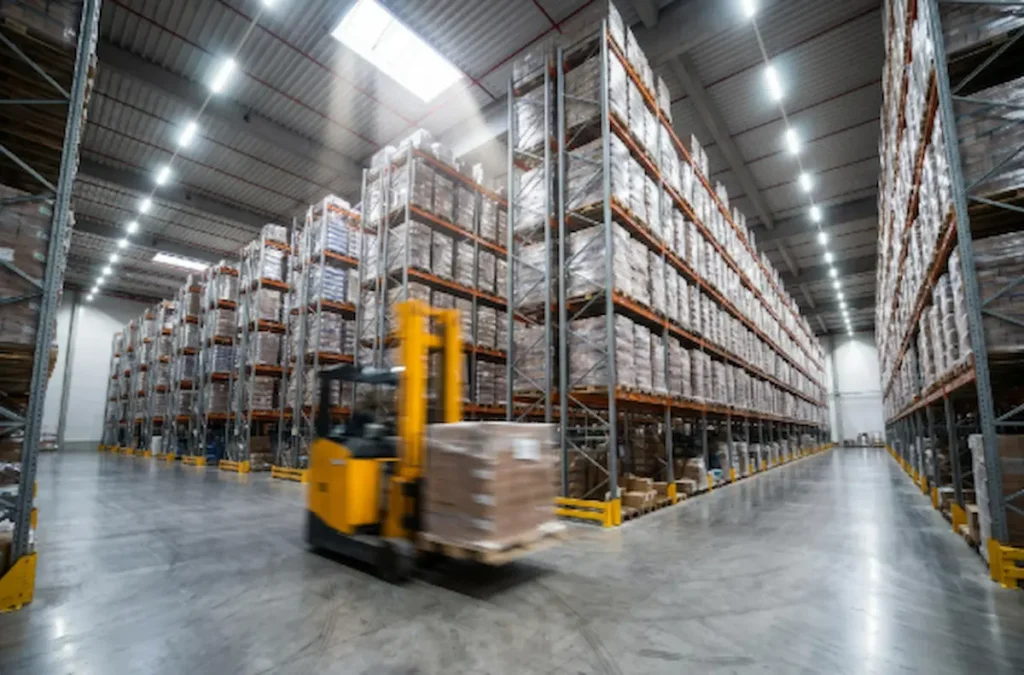

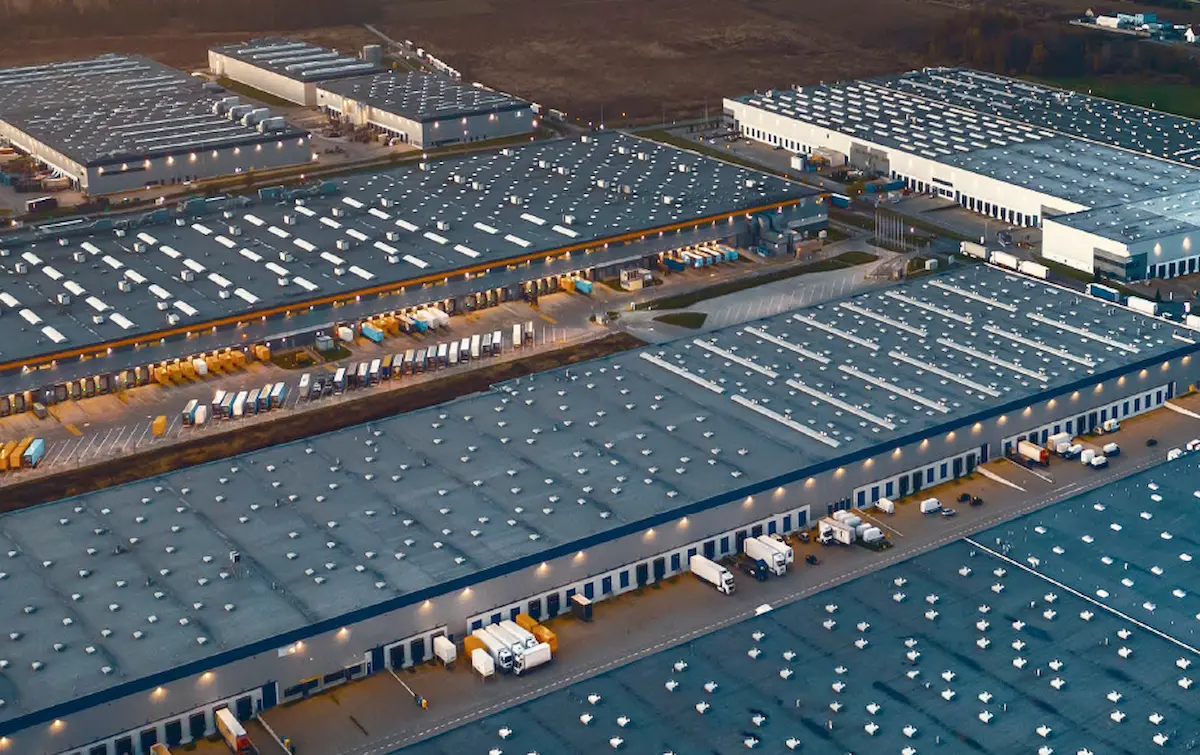
Warehouses and transport yards are remarkably forgiving places.. Throw enough people, overtime, temporary labour, phone calls, and spreadsheets at a problem, and most operations will somehow keep moving..
C3 Solutions’ State of Dock & Yard Management 2026 suggests that this way of working is still deeply embedded.. The report is based on responses from 149 supply chain and logistics professionals..
Inefficient manual processes remain the leading operational challenge, rising from 35.9% in 2025 to 40.3% in 2026.. During peak periods, 51% of respondents rely on overtime, and 50.3% bring in temporary labour. Only 34.2% turn to technology..
That is a lot of human effort being used to hold together processes that were probably never designed for the level of pressure they now carry..
Real-time yard visibility remains the most wanted capability, but buyers are paying much closer attention to implementation, usability, and whether a new system will actually work with the systems already in place..
And this is where many projects stall..
Almost 73% of respondents are exploring dock scheduling or yard management automation, yet fewer than 13% have a firm plan.. Interest is high. Commitment is much lower..
So the issue is no longer whether businesses see the problem.. The issue is whether they can turn that awareness into a workable plan..
The report goes deeper into supplier delays, transport disruption, yard visibility, software satisfaction, driver experience, vendor selection, and the barriers slowing adoption..
For anyone responsible for warehouse, transport, yard, or distribution operations, this is a useful check against what is happening on your own site..
Download The State of Dock & Yard Management 2026 here and see how your operation compares..