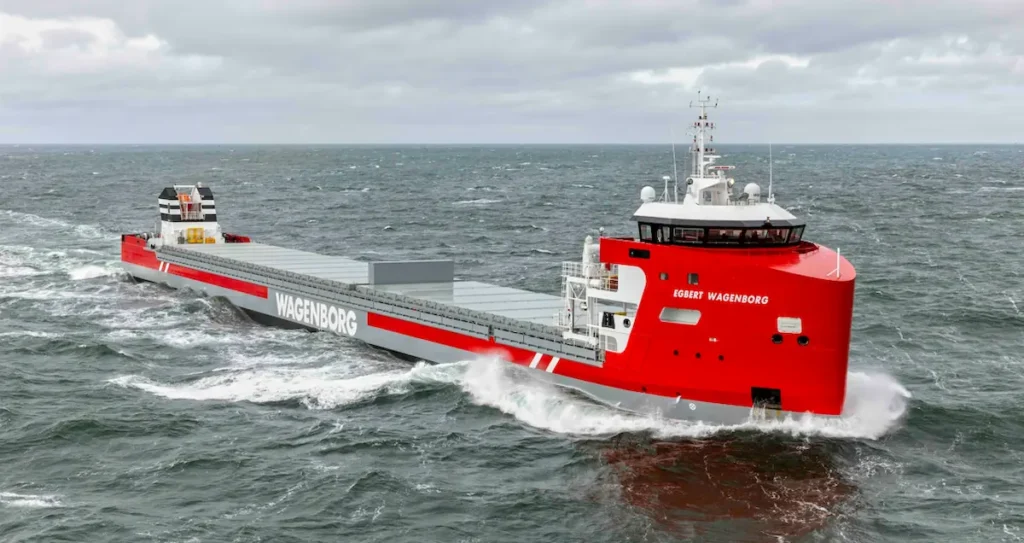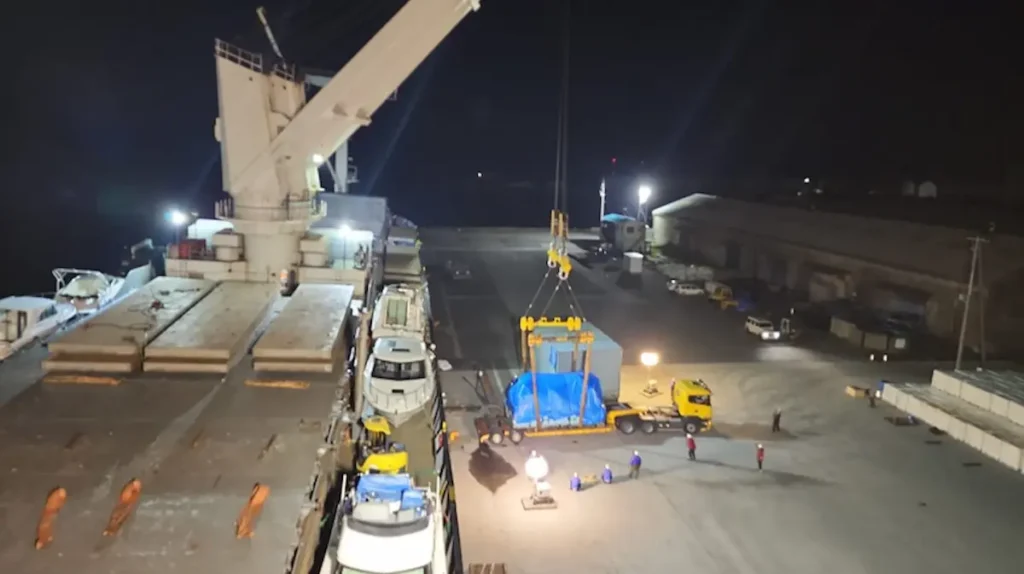

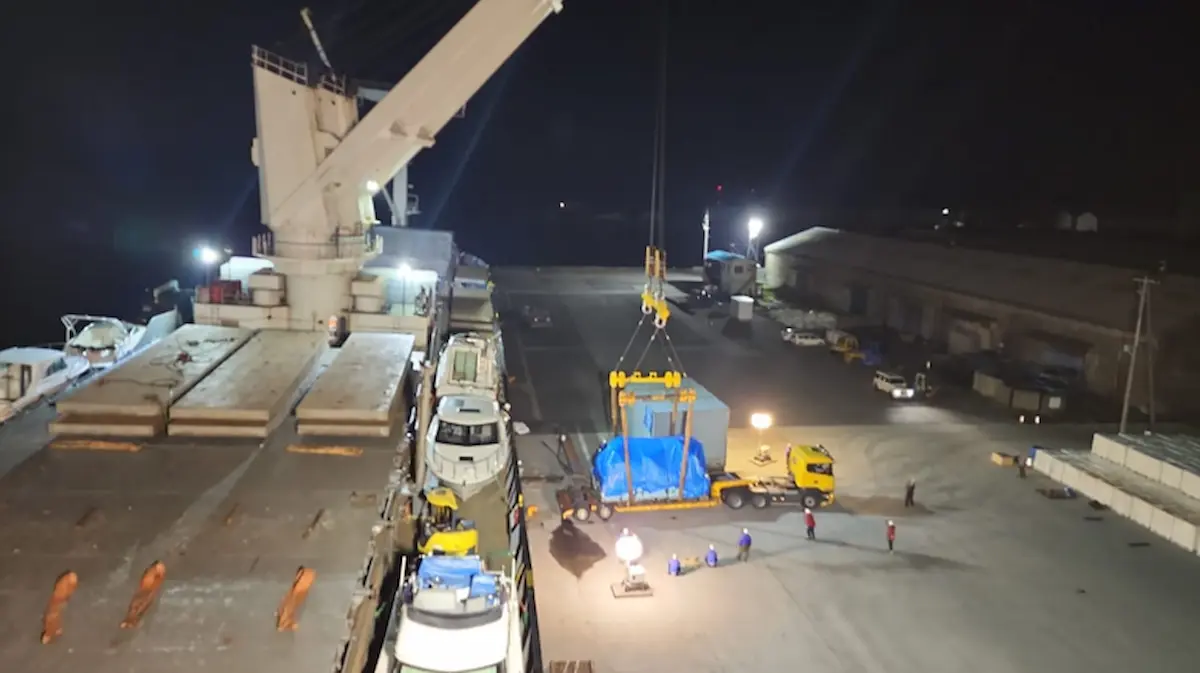
Project cargo shipping is rarely a routine freight exercise. Project cargo refers to large, heavy, high-value or complex cargo that cannot be handled as standard containerized freight and therefore requires specialized planning, handling, transport equipment and, in many cases, purpose-selected vessel capacity.
Heavy machinery, transformers, industrial equipment, oversized units and other non-containerized cargoes often require a vessel to be selected around the characteristics of the shipment rather than the other way around.
For cargo owners, this means that the quality of the initial technical and commercial preparation can have a direct impact on freight cost, operational risk and the ability to complete the shipment within the required schedule.
A project cargo fixture should therefore begin long before the charter party is signed.
Project Cargo Requires a Different Chartering Approach
Standard cargoes can often be matched with a relatively broad range of vessels.
Project cargo is different.
A single heavy or oversized unit may immediately eliminate a large part of the available tonnage because of:
- dimensions and weight;
- lifting points;
- centre of gravity;
- deck strength;
- hatch dimensions;
- crane capacity;
- permissible loading position;
- stowage requirements;
- port and terminal restrictions.
The question is therefore not simply:
What vessel is available?
The more important question is:
What vessel can safely and commercially perform this particular shipment?
This distinction is fundamental.
Start With Accurate Cargo Information
One of the most common problems in project cargo chartering is approaching the market before the cargo information is sufficiently developed.
A shipbroker or vessel owner normally needs accurate information covering, at minimum:
- number of units;
- dimensions of each unit;
- gross weight;
- lifting points and lifting arrangements;
- centre of gravity where relevant;
- packing or transport condition;
- loading and discharge ports;
- expected laycan;
- availability of shore cranes;
- requirement for vessel cranes;
- drawings, photographs and technical specifications.
Even relatively small differences in dimensions or weight can affect vessel selection.
For example, a cargo unit that appears suitable for loading through a hatch may become unsuitable once clearances, lifting arrangements or required safety margins are considered.
The more accurate the information provided at the beginning, the more meaningful the freight indication will be.
Vessel Selection Is More Than Deadweight
Cargo owners sometimes focus first on vessel deadweight.
For project cargo, this can be misleading.
A vessel may have sufficient deadweight but still be unsuitable because of its hatch opening, deck strength, crane outreach, crane combination capability or available deck area.
The vessel’s geometry can be more important than its nominal carrying capacity.
For heavy-lift and oversized cargo, these issues often become decisive. The cargo may need to pass through a particular hatch opening, be carried either on deck or under deck, or be positioned in a specific part of the vessel. It is also necessary to establish whether the vessel can lift the unit independently, whether its cranes can be combined safely, whether the loading position is compatible with stability requirements, and whether adequate space remains for securing arrangements.
This is where experienced project cargo chartering and maritime brokerage become particularly important. Kiev Shipping Ltd combines commercial market knowledge with the technical awareness required for vessel selection and the transportation of heavy, oversized and non-containerized cargoes.
Port Restrictions Can Change the Entire Freight Calculation
A technically suitable vessel may still be commercially unsuitable if it cannot work at the intended port.
Port restrictions can quickly change the range of vessels that can be considered. Maximum draft, berth length and air draft may rule out otherwise suitable ships, while crane limitations, tidal restrictions and terminal working hours can affect how the operation is performed. The availability of suitable lifting equipment, restrictions on heavy cargo handling, and requirements for special permits or engineering approval may also influence both feasibility and cost.
Cargo owners should therefore avoid evaluating the vessel independently from the ports.
In some cases, changing the loading or discharge terminal can create access to a wider vessel pool and materially reduce the freight cost.
In other cases, selecting a vessel with stronger onboard cranes may be more economical than arranging expensive shore equipment.
Lifting, Stowage and Securing Should Be Considered Early

A project cargo shipment does not end when the cargo is physically placed on board.
The cargo must also remain safe throughout the voyage.
Depending on the shipment, this may require:
- engineered grillage;
- timber supports;
- welded stoppers;
- chains and wires;
- sea-fastening calculations;
- additional deck reinforcement;
- specialist marine warranty or survey involvement.
These costs can be substantial.
If they are considered only after the vessel has been fixed, the cargo owner may discover that the total logistics cost is significantly higher than expected.
The better approach is to identify these requirements during vessel evaluation.
Freight Price Is Not the Only Commercial Issue
The lowest freight offer is not necessarily the best offer.
A cheaper vessel may still create additional costs elsewhere in the shipment. Weaker crane capacity may require additional shore cranes, while a more complicated stowage plan can increase loading time, port expenses, shifting or positioning requirements. Longer transit time and greater exposure to operational delays can also reduce or eliminate the apparent saving in the headline freight rate.
The commercial comparison should therefore consider the total shipment cost, not only the headline freight rate.
A project cargo charter may also contain important contractual issues that affect how the shipment is performed and who carries the cost when something changes. These can include laytime and demurrage, crane breakdown, weather interruptions, cargo readiness and shifting, as well as securing responsibilities, survey requirements, deck cargo risks, and the agreed loading and discharge terms.
These points should be clarified before the fixture is concluded.
What Should Be Sent to a Shipbroker?

A good initial project cargo enquiry should be concise but technically complete.
It should normally contain:
- Cargo: description, quantity, dimensions and weights
- Loading port: including terminal where known
- Discharge port: including terminal where known
- Laycan: expected loading window
- Lifting: shore cranes or vessel’s gear
- Cargo readiness: confirmed or estimated
- Documents: drawings, photos and technical specifications
- Special requirements: deck carriage, heavy-lift, securing, survey or other restrictions
This allows the broker to approach the relevant vessel segment rather than sending a general enquiry into the market.
Preparation Usually Saves More Than Negotiation
Freight negotiation remains important, but many of the largest project cargo costs are determined before the freight negotiation begins.
Correct cargo data, realistic port information and appropriate vessel selection can prevent expensive operational changes later.
For cargo owners, the objective should not simply be to find a ship.
It should be to identify the vessel and contractual structure that allow the cargo to be transported safely, practically and at a commercially reasonable total cost.
That is where experienced project cargo chartering and maritime brokerage can add the most value.
Recap: Common Mistakes Cargo Owners Should Avoid
- Requesting freight before dimensions and weights are final.
- Assuming that every multipurpose or heavy-lift vessel can carry every project cargo.
- Focusing exclusively on freight price without comparing the operational consequences of each vessel.
- Another common mistake is leaving lifting, securing and port restrictions for later discussion.
- By the time these issues are discovered, the available commercial alternatives may already be limited.