
When a cargo owner needs to move breakbulk cargo, the first instinct is often predictable:
Find a vessel. Get several freight offers. Compare the numbers. Choose the best price.
On paper, this sounds reasonable, but in practice, this is often where expensive mistakes begin.
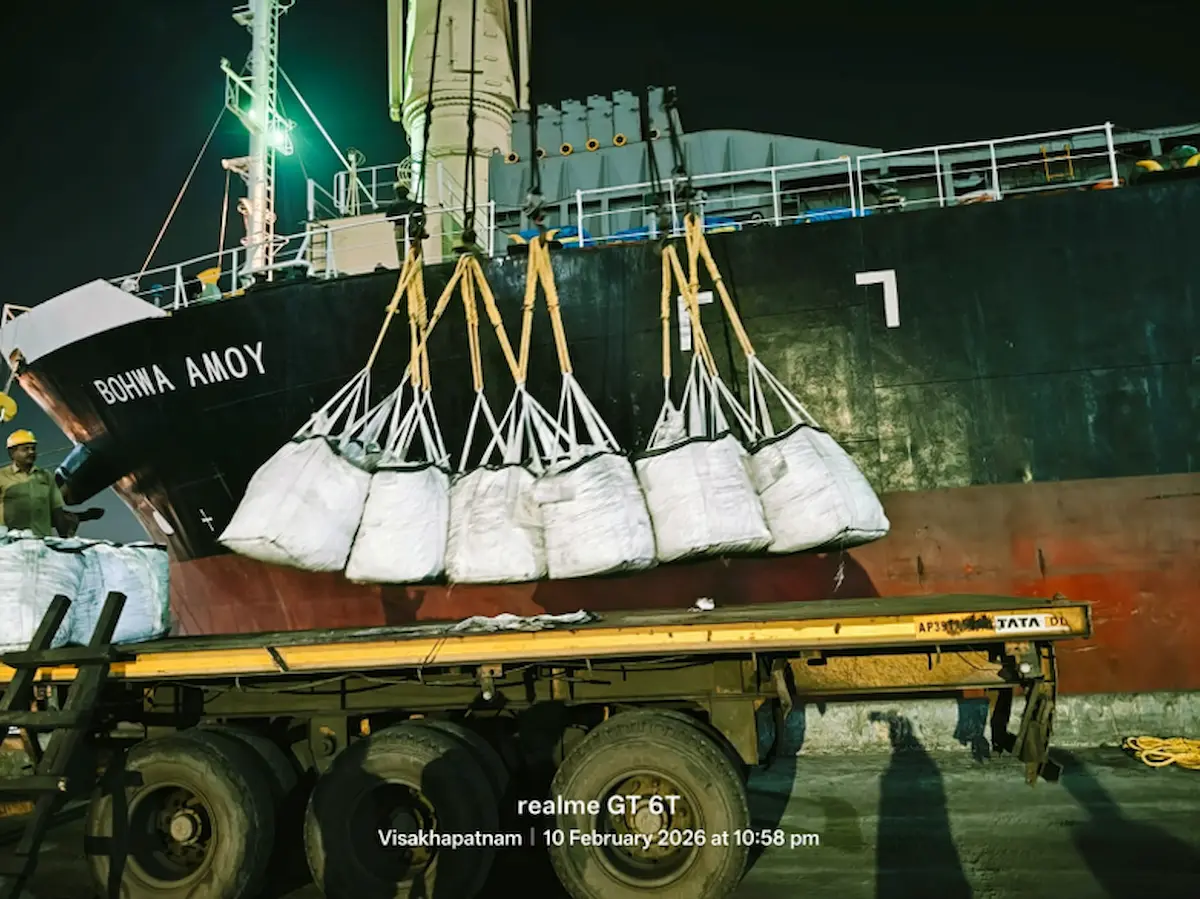
Breakbulk cargo is rarely just a question of finding available tonnage. Machinery, steel products, industrial equipment, packaged cargo, construction materials and other non-containerized shipments involve a chain of commercial, contractual and operational decisions.
A vessel may look suitable. The freight rate may look attractive. The owner may sound confident. And yet the fixture can still become a problem.
The most important decision may therefore be made before any vessel is fixed: Who are you trusting to manage the chartering process?
A Freight Offer Is Not Yet a Solution
Cargo owners may receive several quotations that appear similar. One vessel offers USD X. Another is slightly cheaper. A third can arrive earlier.
But those numbers do not tell the whole story.
An experienced shipbroker looks behind the freight indication.
- Who is actually behind the offer?
- Is the vessel genuinely suitable for the cargo?
- Is the owner or operator reliable?
- Are the proposed loading and discharging arrangements realistic?
- What happens if the cargo is not ready exactly as expected?
- Who is responsible for lashing, securing and shifting?
- What happens if the vessel’s cranes cannot perform as anticipated?
- What does the charter party say if something goes wrong?
- And, just as importantly, who will protect the cargo owner if additional costs or claims appear later?
The cheapest offer can become very expensive if these questions are answered too late.
This is why breakbulk cargo chartering is not simply about passing quotations between shipowners and cargo interests.
The real work is understanding what sits behind those quotations.
The Client Is Not Buying a Vessel — The Client Is Buying Confidence
A cargo owner does not want to spend the voyage wondering what will go wrong next.
The client wants confidence that someone experienced is watching the entire commercial picture.
That means having a broker who can:
- challenge an unrealistic proposal;
- recognise a contractual risk;
- understand the operational consequences of a commercial decision;
- communicate effectively with owners and operators;
- react quickly when circumstances change;
- protect the client’s commercial position;
- remain involved until the transportation is completed.
This is difficult to measure in a freight quotation.
But it becomes extremely easy to measure when it is missing.
A delayed vessel, an unclear charter-party clause, unsuitable cargo space or a misunderstanding about loading responsibilities can immediately turn into real money.
The Best Problem Is the One That Never Happens

Experience in chartering becomes most valuable before there is a dispute, delay or operational failure. Anyone can react after a problem appears, but the more difficult skill is seeing the problem while it is still only a possibility.
An experienced broker begins asking questions early:
- Could the cargo dimensions create difficulties during loading?
- Will the terminal accept the proposed operation?
- Does the owner fully understand the cargo requirements?
- Is the laycan realistic?
- Could the charter-party wording expose the charterer to unnecessary costs?
- Is there a risk of unexpected demurrage?
- Are responsibilities between vessel, terminal and cargo interests sufficiently clear?
- Could a seemingly minor issue later become the basis for an additional claim?
Sometimes the most valuable advice a client receives is: Do not fix this vessel.
That decision may save far more money than negotiating another dollar off the freight rate.
A Successful Chartering Job Does Not End When the Vessel Is Fixed
Finding a vessel and signing a charter party are only part of the job. Professional chartering management should continue throughout the transportation.
At Kiev Shipping Ltd, the process is approached as a complete commercial cycle:

The client should not have to manage several disconnected parties or suddenly discover during the voyage that the broker’s job ended when the fixture recap was sent.
The broker should remain involved.
- If the vessel is delayed, the client needs someone who understands the consequences.
- If loading conditions change, the client needs someone who can communicate with the owner and evaluate the contractual position.
- If additional costs are claimed, the client needs someone who can determine whether those costs are justified.
That continuity is part of the service.
Claims Can Become as Important as Freight
During a voyage, cargo owners may face additional demands from shipowners or operators.
These may concern:
- demurrage;
- waiting time;
- shifting;
- additional port expenses;
- crane issues;
- cargo readiness;
- alleged cargo damage;
- extra handling;
- survey costs;
- deviations from agreed loading or discharge procedures;
- or other alleged contractual liabilities.
Some claims are justified, others may be overstated, poorly documented or based on an interpretation of the charter party that does not reflect the charterer’s actual responsibility.
This is where the broker’s commercial and contractual knowledge becomes critical.
A shipbroker is not a substitute for a maritime lawyer.
But a broker who has spent decades working with charter parties, claims, disputes and commercial negotiations should understand the legal logic behind the contract well enough to recognise:
- Is the claim supported by the charter party?
- What evidence should be requested?
- What should be rejected or challenged?
- What correspondence should be preserved?
- What action should be taken immediately to protect the client’s position?
Early action can often prevent a commercial disagreement from developing into a much more expensive dispute. The client should know that if a problem appears, there is someone on their side who understands what to do next.
Experience Means Understanding Both Sides
Good chartering judgement also requires understanding how the other side thinks.
My own shipping experience includes both the shipowner and commercial vessel management perspective and the cargo broker / independent shipbroker perspective.
These are different sides of the same fixture.
- A shipowner considers vessel employment, earnings, operational feasibility, schedule and exposure.
- A cargo owner considers the cargo, delivery obligations, total transportation cost and commercial risk.
Understanding both perspectives makes it easier to negotiate realistically, identify potential pressure points and recognise where a seemingly minor issue may later create a claim or dispute.
The objective is not confrontation.
The best fixture is one that is commercially workable for both sides and protects the client from avoidable surprises.
Experience Is Not the Number of Years on a Website
In shipping, “experience” is an easy word to use.
Real experience means having seen enough difficult situations to recognise the warning signs early. It means remembering what happened the last time a similar clause was accepted, understanding how a small operational detail can later become a commercial dispute, knowing when to negotiate harder, and sometimes knowing when walking away from a fixture is the better decision.
Experience should give the cargo owner something very practical: confidence that the person managing the transportation has seen enough of shipping to know where the risks may be hiding.
What Should a Cargo Owner Expect From a Shipbroker?

Not simply vessel lists, not forwarded emails, not the cheapest number received that morning.
A cargo owner should expect judgement.
The broker should provide
- questions when questions are necessary
- warnings when something does not look right
- commercial advice when alternatives need to be compared
- contractual awareness when charter-party terms matter
- support when claims arise, and
- continuous involvement until the transportation has been completed.
At Kiev Shipping Ltd, more than 25 years of ship chartering and maritime brokerage experience has shown us one thing repeatedly:
“The most valuable solution is often the solution to a problem that has not happened yet.”
A successful breakbulk shipment is not only about finding available tonnage.
It is about making the right decisions before the vessel is fixed, protecting the client during the voyage and having the right people beside you when those decisions matter.
The client should know that the cargo is not simply booked. It is being managed.