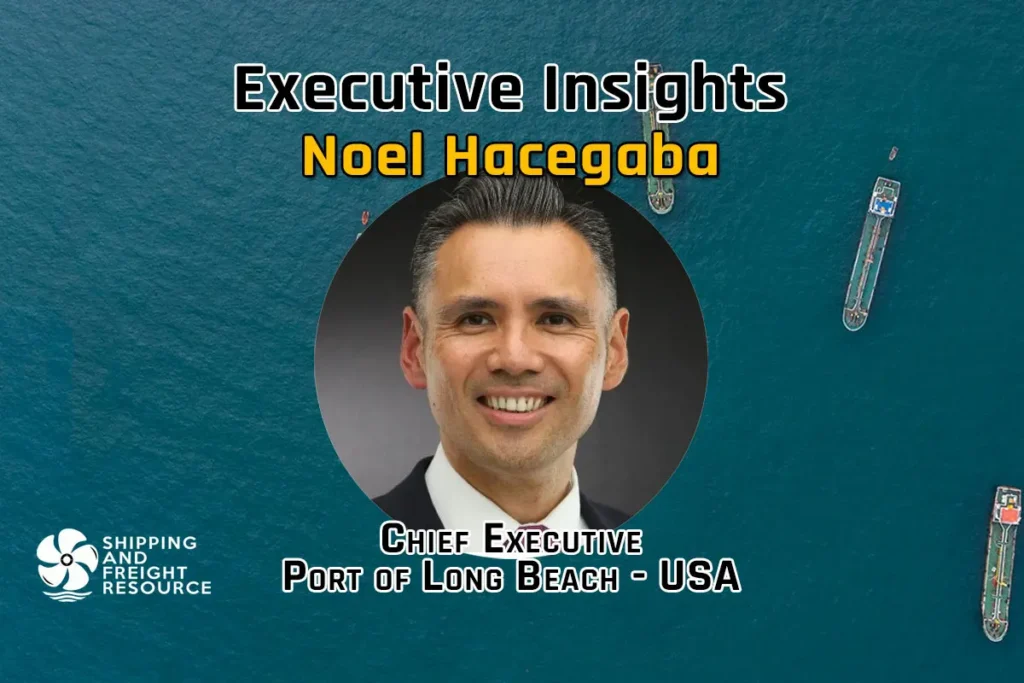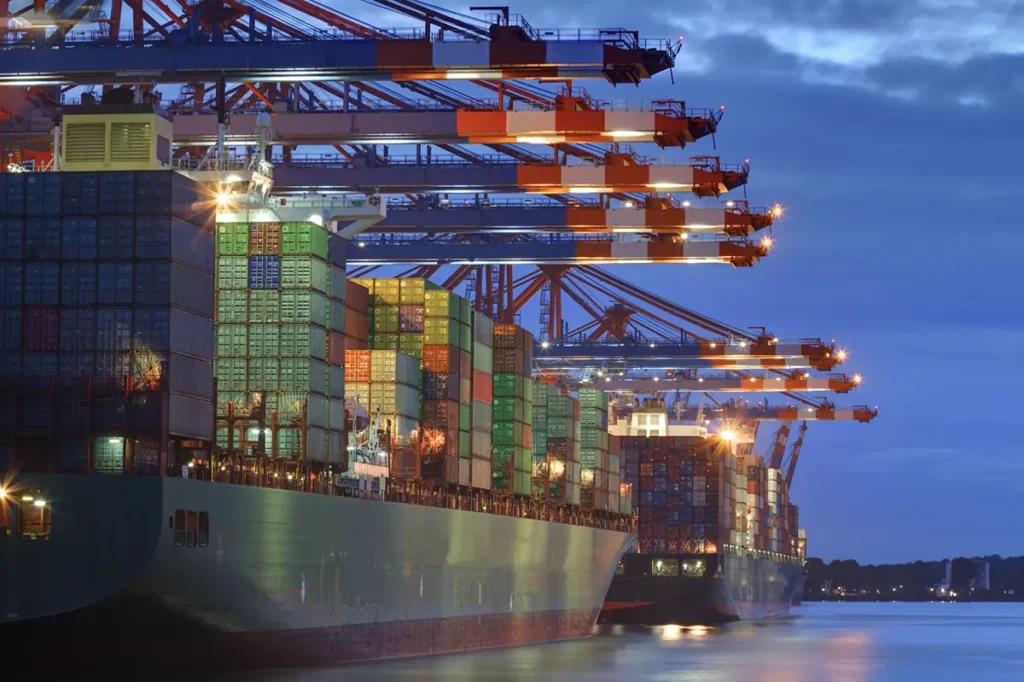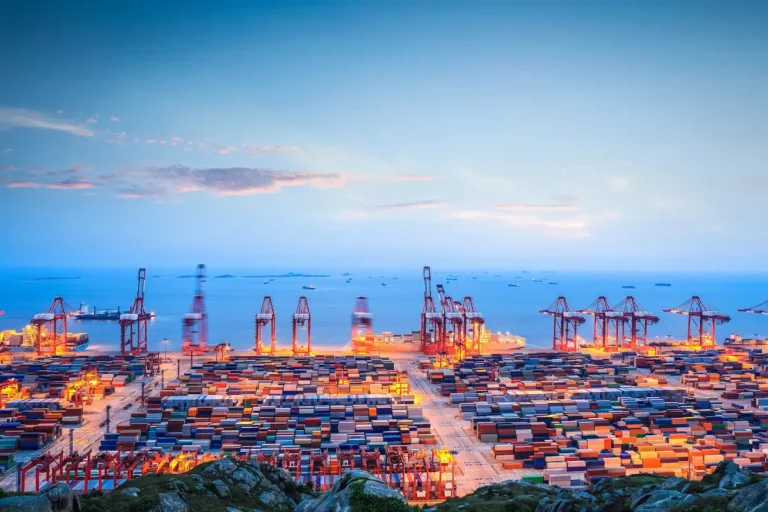

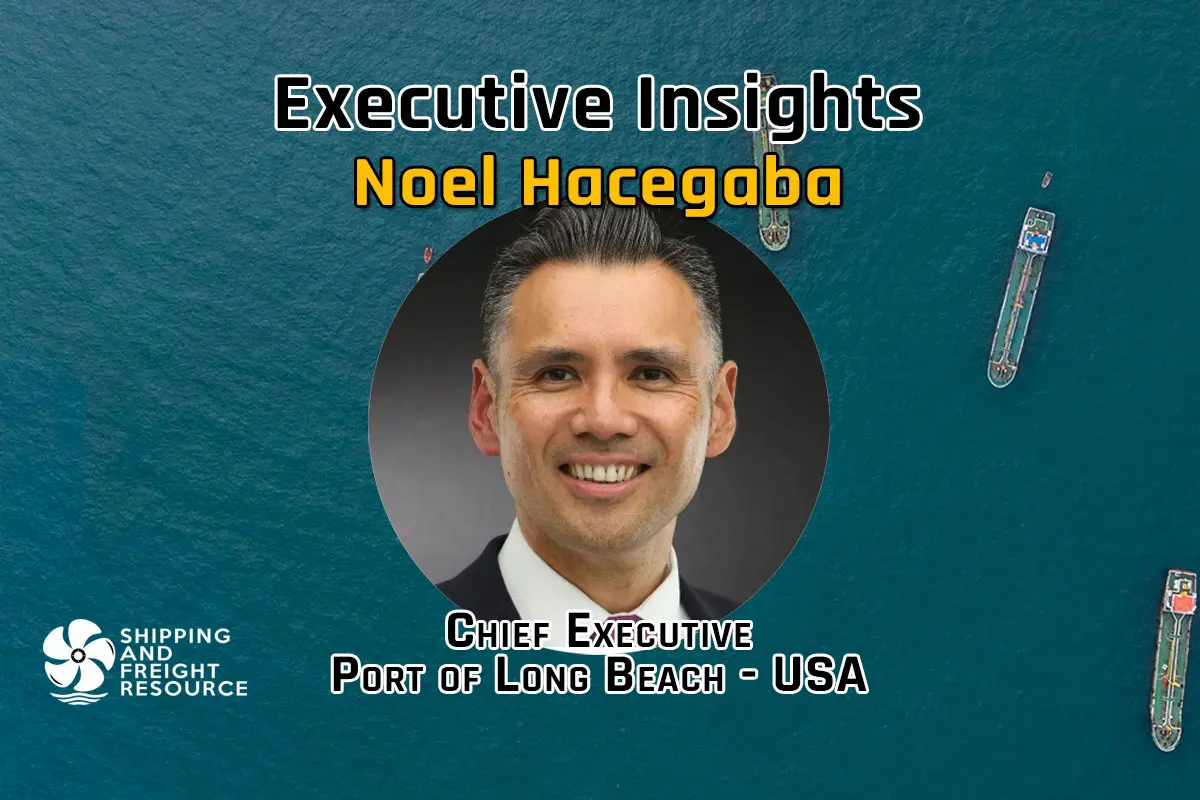
The Port of Long Beach, one of the 2 San Pedro Bay ports that jointly handle around 40% of the USA’s container volume, has set an ambitious target to double its container throughput to 20 million TEUs by 2050, while investing in infrastructure, expanding rail connectivity, and pursuing zero emissions..
This is the vision of Dr. Noel Hacegaba, CEO of the Port of Long Beach, in this edition of Executive Insights, where he also speaks about the port’s long-term plans, changing global trade patterns, operational performance, and the challenges shaping the future of maritime trade..
From public policy to port leadership
Dr. Hacegaba’s journey into the maritime industry began unexpectedly 16 years ago when a seating mix-up at a port event led to a conversation with the Port of Long Beach’s Human Resources Director.. A week later, he received a job announcement that eventually led to his first role at the port..
After progressing through several leadership positions, he became CEO in December 2025.. His background in public policy and government has influenced his understanding of ports as meeting points for international trade, geopolitics, climate, and technology..
Vision 2050: preparing for 20 million TEUs
The port’s Vision 2050 aims to double annual container throughput while developing the infrastructure required to support that growth..
“Our plan under the 2050 vision is to double our container throughput to 20 million container units and then build the port of the future along the way.”
A major component is the port’s planned $3.3 billion capital investment programme over the next decade, with rail connectivity receiving particular attention..
Currently, approximately 75% of containers leave Long Beach by truck and 25% by rail.. Dr. Hacegaba wants to shift that balance towards 60:40, potentially reaching 50:50 in the longer term..
The Pier B project is expected to triple on-dock rail capacity and improve cargo movement to inland US markets..
Changing trade patterns and supply chain efficiency
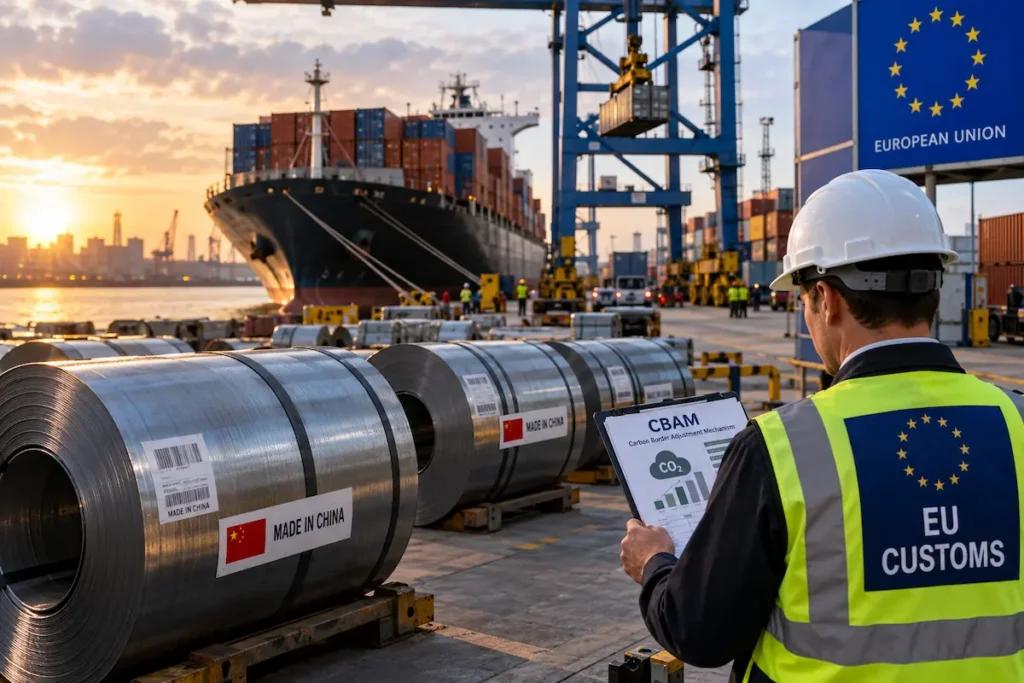
China’s share of Long Beach’s import and export business has declined from approximately 70% in 2019 to 55%, while trade with Southeast Asian countries has increased..
Dr. Hacegaba explained that the changing sourcing patterns can add 2 to 3 days to ocean transit times.. Improving rail connectivity could help recover some of that time, with the port aiming to reduce ship-to-rail transfer times from approximately 4 days to 24 hours..
“Speed to market is a key to our success and rail connectivity is a key to our future.”
Growth, sustainability, and port performance
Long Beach is pursuing an ambitious combination of higher cargo volumes and lower emissions..
Dr. Hacegaba highlighted the port’s environmental progress since introducing its Green Port Policy in 2005, noting that cargo volumes have increased by 44%, while reductions in certain emissions categories have reached 98%..
The discussion also covered the World Bank’s Container Port Performance Index, where Dr. Hacegaba emphasised the importance of considering differences between gateway ports and transshipment hubs when comparing productivity..
He pointed to September 2026, when Long Beach handled approximately 997,000 TEUs, as evidence of its ability to manage growing cargo volumes and larger container vessels..
Preparing for an uncertain future
Looking towards 2027 and beyond, Dr. Hacegaba identified trade policy, climate-related disruptions, security, and technological developments as major influences on the maritime industry..
The port is incorporating climate resilience into infrastructure planning while assessing how rapidly developing technologies, including artificial intelligence, could influence future operations..
Despite these uncertainties, Dr. Hacegaba remains confident in the port’s long-term direction..
“Here at the Port of Long Beach, we remain bullish on the future and our commitment to our customers and our supply chain partners is that we will remain that safe harbor in the sea of uncertainty.”
You can view the full interview below..
Executive Insights is a series by Shipping and Freight Resource featuring industry leaders sharing their perspectives on the issues shaping global shipping, freight, logistics, and trade..