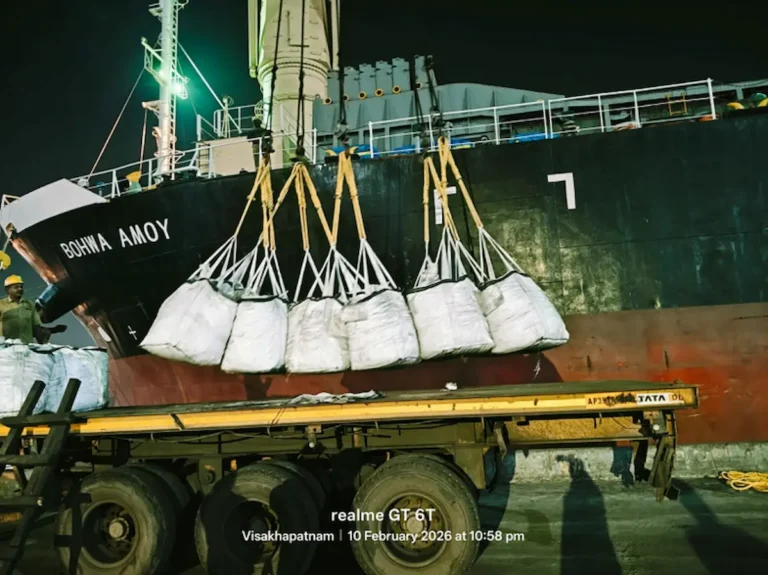

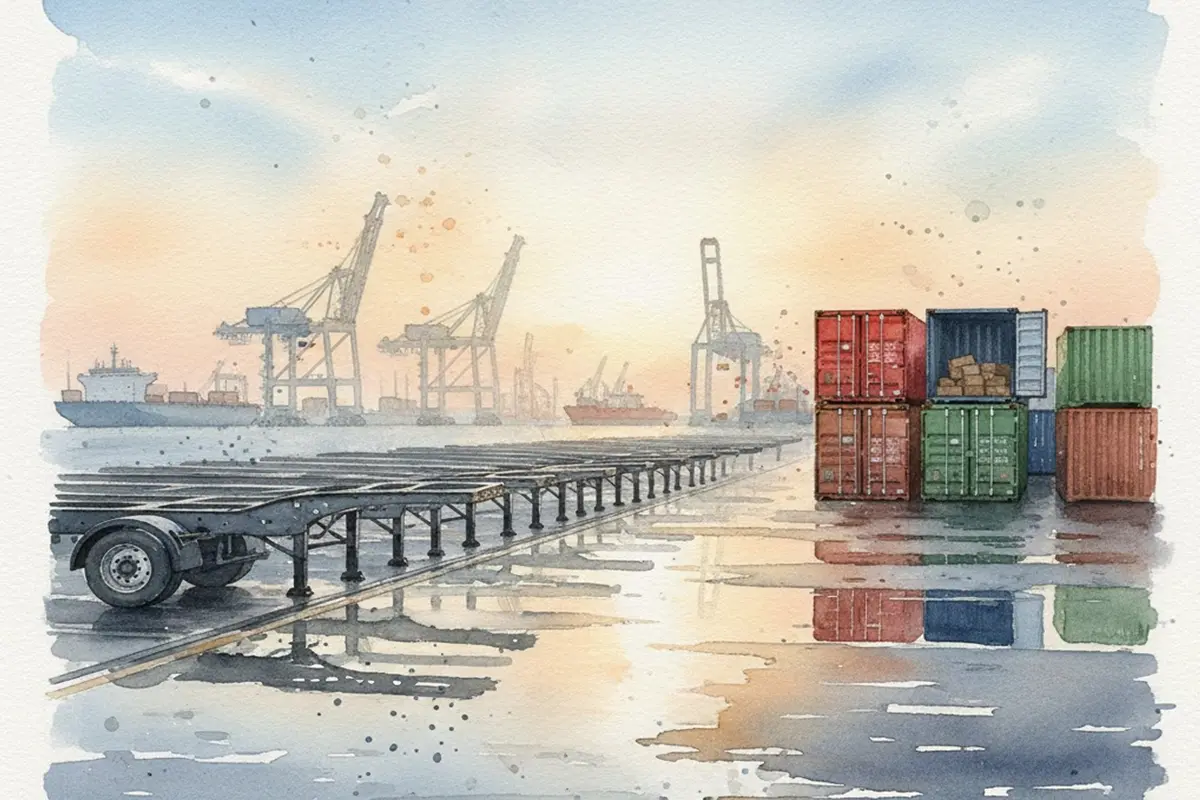
When a container is discharged at a US port, the next critical link in the chain is the chassis beneath the box..
Without it, the container does not move.. So what happens if the choice of chassis is restricted, influenced, or indirectly controlled by the ocean carrier..?? That question is now at the centre of a new Federal Maritime Commission (FMC) investigation..
On 26 January 2026, the FMC announced a formal investigation titled Investigation Into Ocean Common Carriers’ Practices and Restrictions on Chassis Usage.. The probe seeks to determine whether ocean common carriers are unjustly or unreasonably restricting the ability of truckers and shippers to select or negotiate with chassis providers, particularly under merchant haulage arrangements where inland transport is arranged by the cargo interests rather than the carrier..
Why chassis choice matters
In the US, most import containers move inland by truck, and that movement depends on access to a compatible and available chassis..
Over the past decade, many carriers divested their chassis fleets to independent leasing companies.. However, concerns have emerged that certain contractual terms, rules, or operational practices may still limit effective freedom of choice in chassis selection..
For truckers, this is not a technical detail, it is an operational and financial issue.. Limited flexibility can mean higher rental costs, fewer negotiation options, equipment mismatches, and increased dwell times..
For shippers, these inefficiencies translate directly into higher landed costs, increased detention exposure, and reduced supply chain reliability..
What the FMC is examining
The FMC’s investigation is focused on whether carrier practices comply with the Shipping Act requirement that rules and practices relating to cargo handling must be just and reasonable..
The Commission is inviting public comment from shippers, motor carriers, chassis providers, and other stakeholders on several key issues:
- Whether carriers restrict negotiation between truckers and chassis providers
- Whether service contracts or association rules limit independent chassis selection
- Whether sufficient chassis supply exists for merchant haulage
- How chassis availability information is communicated at ports and intermodal facilities
The FMC is not alleging wrongdoing at this stage.. Rather, it is gathering facts to determine whether regulatory intervention or enforcement action may be warranted..
Why is this investigation significant
This inquiry reflects a broader regulatory shift.. Following the Ocean Shipping Reform Act of 2022, the FMC has taken a more assertive role in examining operational practices that affect competition and supply chain performance, including detention and demurrage enforcement.. Chassis usage now joins that list..
From a market perspective, the issue goes beyond equipment access.. If carrier-linked structures effectively steer cargo toward specific chassis providers, competitive neutrality in the leasing market could be distorted.. That affects pricing power, service innovation, and ultimately the cost base of inland logistics..
Operationally, restricted chassis flexibility can create congestion, increase truck turn times, and reduce resilience during peak demand or disruption periods.. In a system already strained by volatility, even small structural constraints can amplify bottlenecks..
What industry stakeholders should consider
For shippers and logistics providers, this investigation is a reminder to review service contracts carefully, particularly merchant haulage clauses.. Understanding who controls chassis selection, who negotiates rates, and how free time is structured is essential..
For truckers, the comment process presents an opportunity to formally highlight operational constraints and cost pressures tied to chassis access.. Regulatory clarity in this area could influence bargaining dynamics across multiple gateways..
For carriers and chassis providers, the investigation underscores the need for transparent, defensible, and competition-compliant practices..
A structural issue, not a minor detail
Chassis may appear to be a small component in the vast machinery of global trade, yet they represent the physical bridge between ocean transport and inland distribution.. Control over that bridge carries economic and competitive consequences..
As the FMC gathers input and evaluates industry practices, the outcome of this investigation could shape the next phase of US inland logistics governance.. For anyone involved in the movement of containers across US ports, this is not a peripheral issue, it is a structural one..