
Nobody in shipping thinks of themselves as bad at documents. Forwarders send them. Brokers file them. Suppliers produce them. But the point where most import shipments lose time and money isn’t at sea or in the air – it’s in the gap between one document leaving someone’s outbox and another person realising it doesn’t match what they already have.
We bring in goods from Asia, the USA, and the Middle East, mostly by ocean and air, clearing through EU customs. Our forwarders and brokers are competent. Our suppliers are reliable. But we still lose days and money to document problems regularly. Not because anyone’s negligent – because the process itself creates blind spots that nobody owns.
Here’s where things actually break down.
The weight mismatch that nobody checks
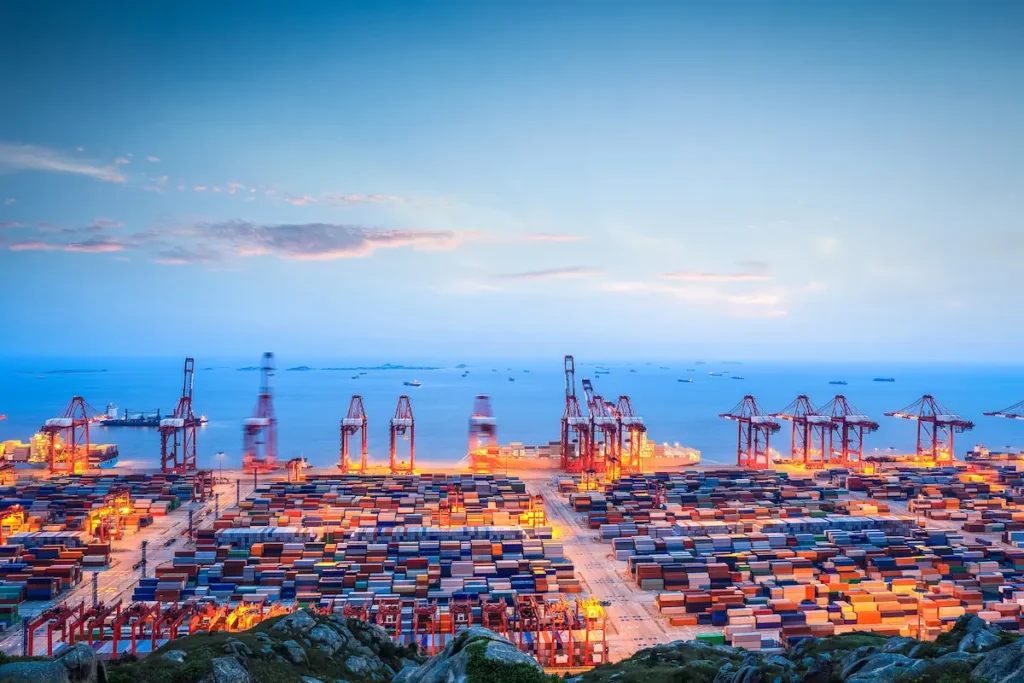
A container arrives at Rotterdam. The commercial invoice from the supplier says 12,400 kg gross weight. The bill of lading says 12,840 kg. The packing list says 12,400 kg.
That 440 kg difference is probably explained by pallet weight or packaging that the supplier excluded and the shipping line included. Everyone involved knows this is normal. But customs don’t care what’s normal. The declaration was filed using the invoice weight. The BL shows a different figure. That’s a discrepancy, and it can trigger a document review or a physical inspection.
The cost: two days of storage at the terminal while the broker requests a weight certificate from the supplier and files a corrected declaration. Terminal charges around €480. An additional fee from the customs broker for the amendment. The delivery to our warehouse missed the booking window, so we had to reschedule the haulier and the warehouse receiving team. One number, off by 440 kg, and the total cost was north of €800.
Three parties produced three documents with three different figures, and nobody compared them before the goods arrived. That’s the problem.
Documents that arrive after the ship
This one’s straightforward, but it still happens all the time. A vessel docks on Tuesday. The customs broker needs the original bill of lading, the commercial invoice, and the packing list to file the import declaration. The invoice and packing list arrived last week. The BL arrives on Wednesday afternoon.
The broker files on Thursday morning. Customs processes the declaration by Friday. The container’s been sitting at the terminal since Tuesday. Three days of storage and demurrage, because one document arrived 24 hours late.
For ocean freight into Northern Europe, terminal storage charges typically kick in after two or three free days. After that, rates escalate quickly – often €50-100 per day for a 20ft container, more for a 40ft. Miss your free time because a document was late, and you’re paying for a problem that was entirely avoidable.
Air freight is worse. Free time at most European air cargo terminals is measured in hours, not days. A missing airway bill or a delayed commercial invoice can mean storage charges within 24-48 hours of arrival. For perishable or time-sensitive goods, the cost isn’t just storage – it’s the goods themselves.
The certificate of origin doesn’t match
This one’s expensive because it hits the duty rate directly.
A supplier in Vietnam ships goods under the EU-Vietnam Free Trade Agreement. The preferential duty rate is 0%. Without a valid certificate of origin, the standard MFN rate applies, which for some product categories can be 6%, 8%, or higher. On a shipment worth €40,000, that’s €2,400 to €3,200 in duty that you either pay unnecessarily or have to reclaim later.
It breaks down in a few ways. The certificate names a slightly different product description than the invoice. It references the wrong HS code. It was issued after the shipment date, which some customs authorities won’t accept. Or – and this is the one that really stings – the supplier simply didn’t apply for one in time and tells you about it after the goods are already on the water.
Reclaiming overpaid duty is possible in most EU countries, but it means filing an amendment, providing supporting evidence, and waiting. In the Netherlands, a refund can take months. Your cash is tied up the whole time.
When the consignee details are wrong
This is a small error that causes way more trouble than it should. The bill of lading shows the consignee as “ABC Trading BV” but the company’s registered name – and the name on the EORI registration – is “ABC Trading B.V.” with periods. Or the address shows “Rotterdam” but the customs registration shows “Rotterdam-Zuid.”
Nobody would say these are meaningful differences. But automated customs systems match fields electronically, and a mismatch between the BL consignee and the registered EORI holder can flag the declaration for manual review. Manual review means delay. Delay means cost.
The fix takes 30 seconds – verify the consignee details against the company’s EORI registration before the BL is issued. But in the chain of supplier to forwarder to shipping line, nobody considers it their job.
The document nobody asked for
Some shipments need documents that aren’t part of the standard commercial set. A fumigation certificate for wooden packaging. A health certificate for food-contact materials. A conformity declaration for electronics entering the EU market. An import licence for goods subject to quota or restriction.
These requirements are destination-specific and product-specific. The supplier doesn’t always know what the destination country requires. The forwarder isn’t always aware of the product classification. The importer may know in theory, but forget to request the document early enough.
What happens: goods arrive, the broker files the declaration, customs requests an additional certificate, and the shipment sits there until it’s produced. If the certificate needs to come from the country of origin – a phytosanitary certificate, for example – that can mean days or weeks of delay.
It’s not ignorance. It’s just that nobody sat down before the shipment and asked: for this product, going to this country, via this route, what do we actually need? Most importers learn the answer to that question by getting it wrong the first time.
What this adds up to
None of these problems is dramatic on its own. A few hundred euros here, a couple of days there. But across 10 or 20 shipments a month, it adds up. And these costs don’t show up on any invoice or report. They get absorbed into the general overhead of importing, treated as normal, and never measured.
What all of these have in common is that they happen between organisations, not within them. The supplier produces one document, the forwarder handles a different one, and the broker files based on what they’ve got. Nobody’s checking that everything says the same thing, arrived on time, and nothing’s missing. The importer is supposed to be doing that – but when you’re doing it across email, spreadsheets, and shared drives, things slip through.
Closing the gap
The fix isn’t more documents or more processes. It’s visibility. Someone – or something – needs to sit in the middle and track what’s been received, what’s outstanding, and what matches.
Some importers are starting to use shipment management platforms that centralise documents and track completeness automatically. Others do it with structured checklists and disciplined internal processes. The method matters less than the principle: treat document coordination as its own job, not a byproduct of moving goods.
For the shipping and freight side, the most valuable thing you can do is make the importer’s document job easier. Send documents early. Check that the key fields – weight, description, consignee, package count – match across the set. Flag anything unusual before it becomes a customs problem. That alone would prevent most of what I’ve described here.
About the Author : Will Partridge is an Operations Director at a European import company, managing shipments and customs compliance across multiple countries. He writes about import operations and document management for Carvo.