
I was recently talking about Trade Fitness to someone in logistics when they said something that stayed with me: “But we are in logistics, not trade..”
I understood what they meant.. We have become so used to working in silos that we tend to identify ourselves by the particular silo and forget that we are part of a broader ecosystem..
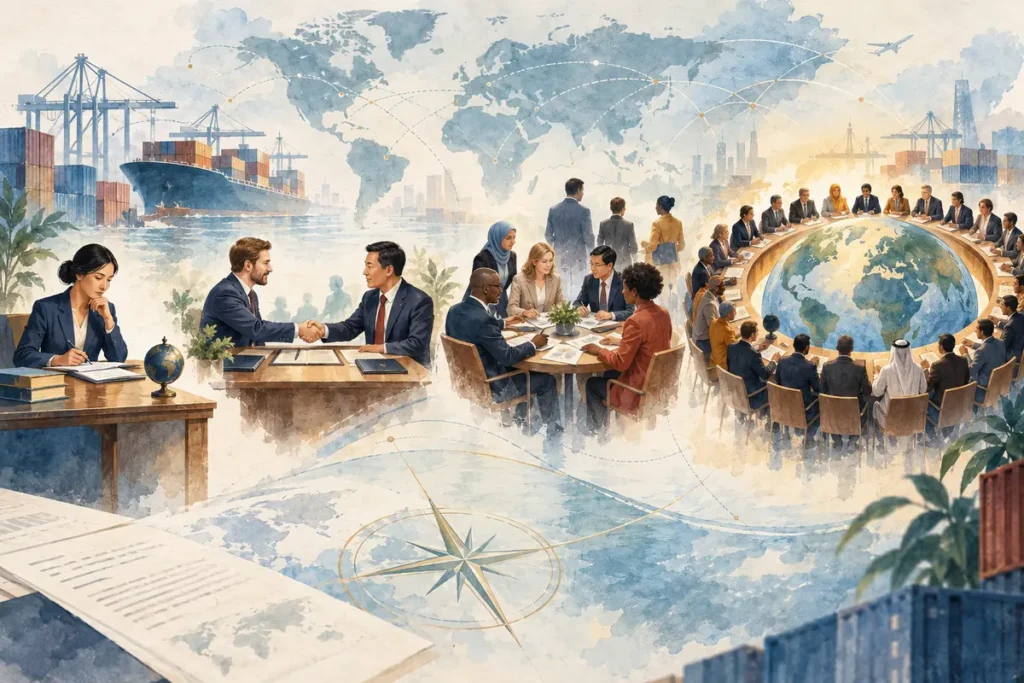
Shipping, freight forwarding, logistics, maritime, supply chain, and trade finance have each developed into professions and industries in their own right..
And somewhere along the way, trade seems to have become another specialisation sitting alongside them rather than being the driver for all of the above industries..
It got me thinking about how the world perceives what trade actually is..
So what is trade, really..??
At its simplest, trade is the basic economic concept involving the buying and selling of goods and services, with compensation paid by a buyer to a seller, or the exchange of goods or services between parties.. Trade is the reason all the above businesses exist..
Let’s take a manufacturer in South Africa selling machinery to a customer in Germany.. They agree what is being sold, the specification, quantity, price, payment terms, Incoterms® rule, delivery requirements, and when the machinery needs to arrive..
The trade has been agreed.. Now it has to be executed..
And this is where that apparently simple transaction starts involving a lot more people..
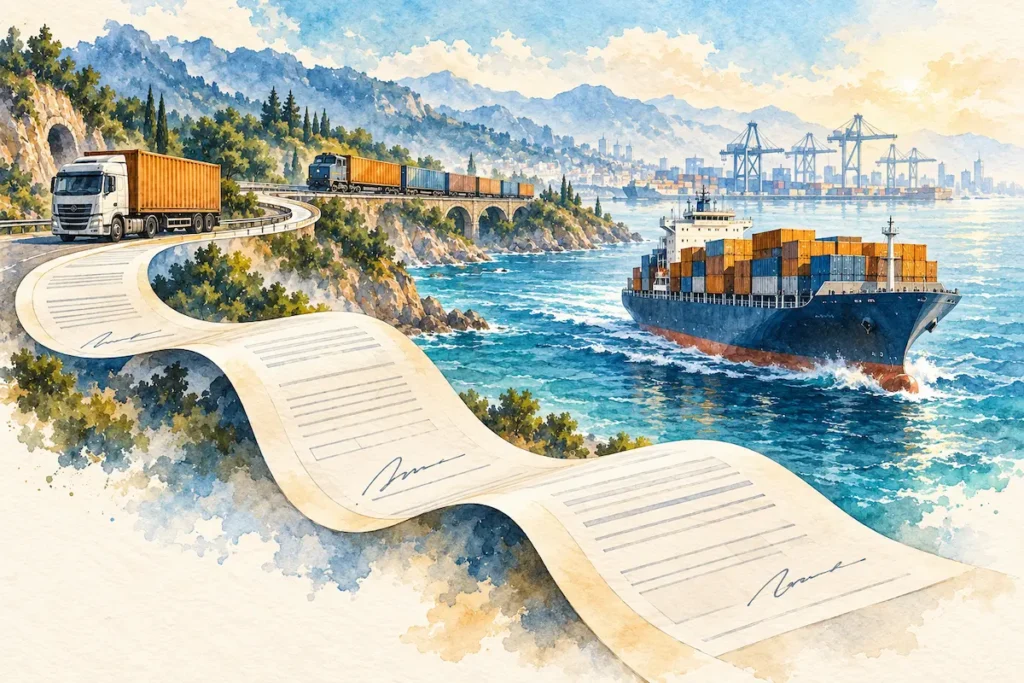
The machinery has to leave the factory and reach the buyer in Germany.. Depending on how the transaction has been structured, that could involve a transporter, freight forwarder, shipping line, terminals at both ends, customs brokers, banks, insurers, government and regulatory authorities..
Documents and data have to move with the transaction as well.. Decisions made when the sale was agreed now have to work in the real world..
This is trade being executed..
Where do maritime, shipping, freight, and logistics come in..??
Our German buyer is unlikely to collect several tonnes of machinery personally from Johannesburg (the excess baggage charge alone would be interesting), so the goods have to be moved..
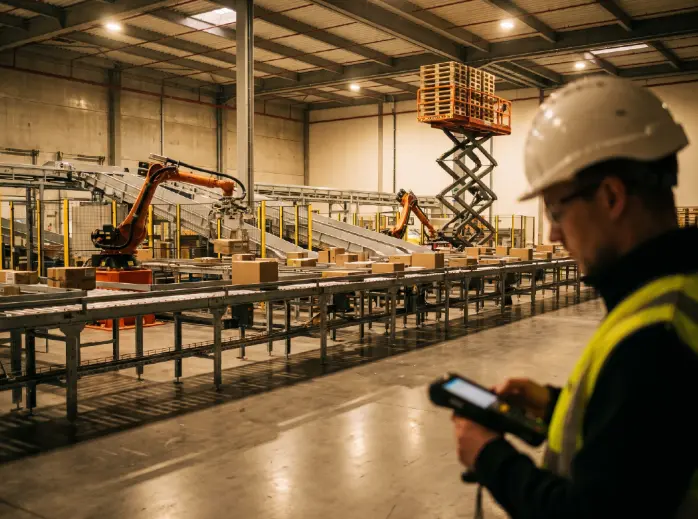
Logistics deals with planning and managing that movement from where the goods are, to where they need to be.. Depending on the cargo and route, several modes of transport, facilities, and service providers may be involved along the way..
Freight is closely connected with the transportation of those goods.. The word can refer to the cargo itself and, depending on the context, the amount charged for its transportation..
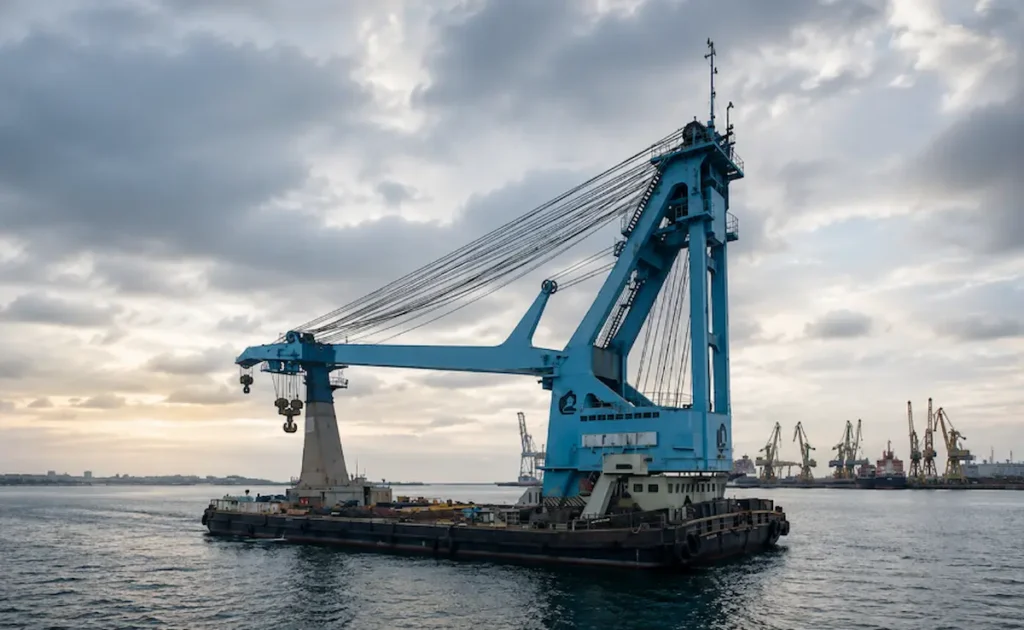
If the machinery travels by sea, shipping becomes part of its journey.. And shipping operates within the much wider maritime environment covering ships, ports, navigation, seafarers, marine services, regulation, and many other activities associated with the sea..
I have previously written about the difference between maritime, shipping, freight, logistics, and supply chain, because these terms are still not very clear to many..
Ok, where does supply chain fit in..??
Our machinery existed long before somebody booked a truck or a ship..
The manufacturer had to source what was needed to manufacture it.. Some components may have been bought locally and others imported.. Materials arrived, production took place, inventory was managed, and eventually a finished machine was available for sale..
There may already have been several trade transactions before the machine was sold to Germany.. And there will be more as businesses continue buying materials, components, products, and services throughout their supply chains..
Trade therefore keeps appearing at different points in the supply chain.. Sometimes the resulting goods move across town.. Sometimes they cross several borders and an ocean..
That movement is where many of us make our living..
The problem may have started somewhere else
This is the part I find particularly interesting..
When something goes wrong in logistics, the natural instinct is to look for the problem in logistics.. After enough years dealing with shipments, documents, customers, carriers, banks, and operations, you start tracing problems further backwards..
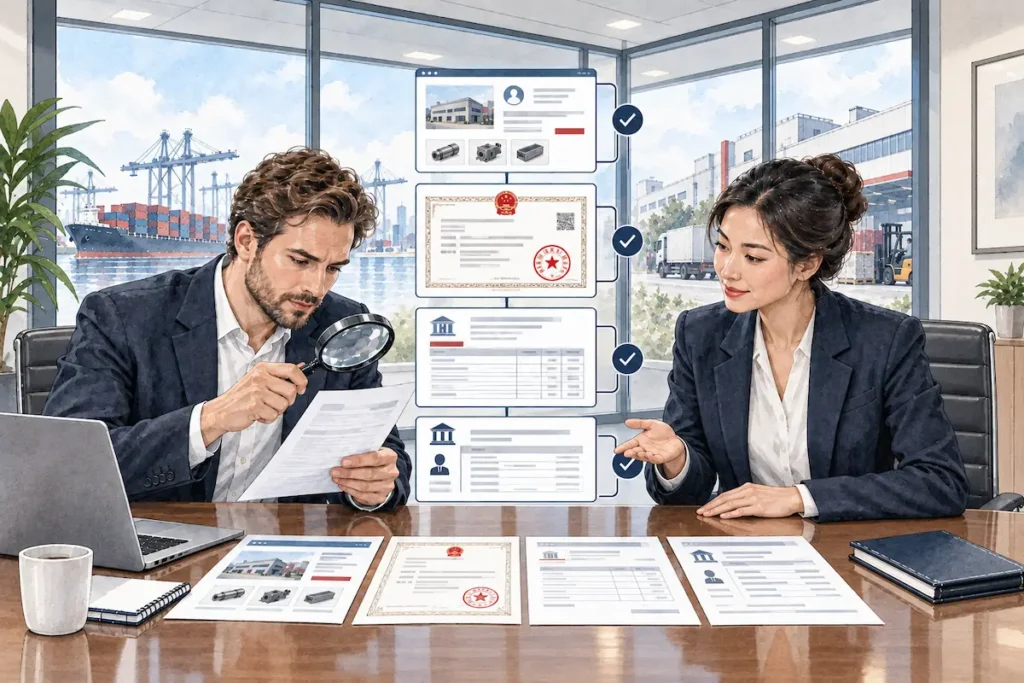
The delivery date may have been unrealistic from the day the sale was agreed.. The chosen Incoterms® rule may have left responsibilities unclear.. Information required for customs may have been wrong before anybody booked the shipment..
By the time the problem reaches operations, several decisions have already been made..
I have seen documentation teams trying to correct something created by an earlier instruction, and operations teams trying to meet commercial commitments they had no involvement in making..
This is why understanding the broader trade ecosystem and developing the capability to play your part in it matters..
This is where Trade Fitness comes in
That conversation about “logistics, not trade” helped me understand why the term Trade Fitness sometimes needs explaining..
Trade Fitness is about whether a business can execute its trade successfully.. That means looking at how the trade has been structured, how it is being executed, who is responsible for what, whether the required controls are working, and where problems are being created..
This is the thinking behind the work I do through HM Business Solutions and why I look at trade across the transaction rather than as a series of isolated activities..
So perhaps the person who told me “we are in logistics, not trade” gave me the simplest way of explaining what trade really means – If your work helps make a trade happen, you are part of trade..