
The discourse and engagements surrounding tariffs and trade wars particularly between the United States and China which have been in the limelight for a few years have now moved up a couple of notches with Donald Trump set to become the 47th President of the United States..
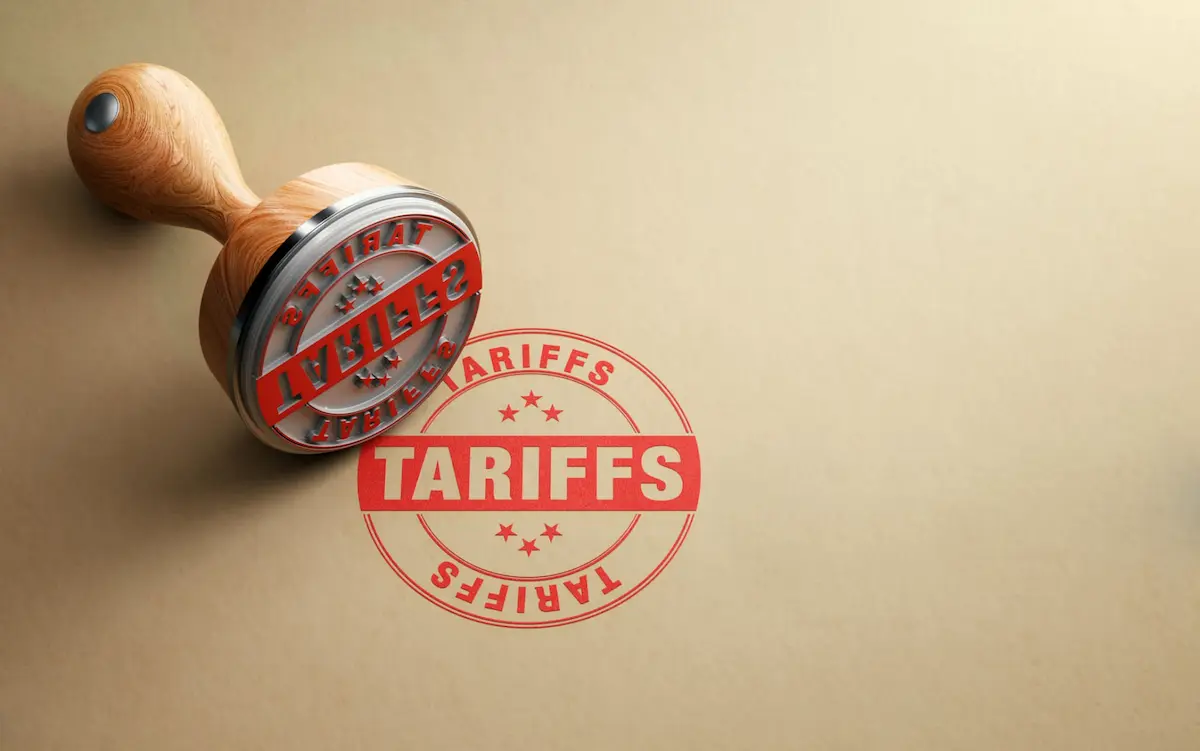
However, some don’t understand the full impact of tariffs and what their implementation means for the consumer and the economies concerned..
The HS Codes known in the USA as Harmonized Tariff Schedule of the United States (HTS) sets out the tariff rates and statistical categories for all merchandise imported into the United States..
The USA HTS is based on the international Harmonized System, the global system of nomenclature applied to most world trade in goods..
Tariffs serve an important purpose in terms of the USA’s trade policies and economic regulations including revenue generation, protection of domestic industry, as a trade policy tool and to counteract unfair trade practices..
It is also used in the interests of national security and to influence economic behavior.. However, it must be used carefully lest it triggers unintended consequences such as trade wars, higher consumer prices, and strained international relationships..
While the debates around tariffs mainly in the context of retaliatory or reciprocal measures have been carrying on for a while, the implementation of Section 301 Tariffs in 2018 in the USA, marked a significant turning point..
Dan Gardner recently published an article on 10/24/24 entitled, “Tariff Truths: The FACTS of the Case” to highlight the prospect of universally high tariffs on U.S. imports which as per Dan “has gone from a “possibility” to now “nearly certain” status “..
Dan’s article highlights the consequences of tariff policies, how it goes beyond just trade figures and economic models, and how it impacts everything from the cost to consumers to the geopolitical dynamics that shape global trade..
Understanding the Reality of Tariffs
Dan also underscores a fundamental truth that the tariffs imposed on the products, especially from China are borne by the importer in the USA which eventually becomes a burden on the US consumer and not on China or its exporters..
Of course, the imposition of higher tariffs will impact the product pricing for the US importer, and even though there has been a shift to several other countries like Mexico, Vietnam, Thailand etc, China still remains one of the key exporters of several goods to the USA..
Tariffs are seen as a double-edged sword because while they may help achieve some strategic objectives like dumping or unfair trade practices, they can also create unintended consequences such as price hikes and inflationary pressures which not only strain consumer budgets but also impedes the competitive advantage of USA in global markets..
The current trade war between the USA and China is a modern case study of the influence of tariffs and how it can shape global trade dynamics..
While the imposition of higher tariffs on Chinese products was intended to force China into following fairer trade practices mainly in terms of pricing, it has developed into a tit-for-tat impacting US exporters..
As Dan mentions in the article, the shift in sourcing patterns highlights a key consequence that, while tariffs may deter certain imports, they do not eliminate the demand, and global supply chains adapt accordingly..
The trajectory of global trade
The evolution of the US tariff policy will influence the trajectory of global trade because the real challenge lies in balancing protectionist measures with the need for open, fair, and competitive trade..
Tariffs and an over-reliance on using them as a retaliatory tool is bound to weaken international trade relationships, distort markets, and lead to long-term inefficiencies..
This also brings into focus the ability of the USA to build domestic capacity to fill the gap created by possible reductions in Chinese imports and also brings focus on the question as to whether the country and its administration are ready with the resources required to achieve this goal and how long this will take..
The practicalities of building new manufacturing infrastructure and addressing labor shortages must be questioned as these are challenges that cannot be resolved through tariffs alone..
Conclusion
While tariffs can be a useful tool under the right circumstances, the future of trade must be guided by policies that enable collaboration and innovation and must be part of a broader strategy including investment in technology, skills development, and sustainability..
As the U.S. and China continue to shape the global trade landscape, the focus should shift toward creating resilient supply chains, promoting fair competition, and engaging in meaningful dialogue that benefits all parties involved..