
Walk through any busy port, distribution hub, or interstate corridor today, and one thing becomes clear: freight is moving faster, farther, and in higher volumes than ever before. As e-commerce continues to reshape buying habits and delivery expectations rise, warehouse operations sit squarely at the center of this momentum.
Industry data consistently shows steady growth in freight volumes across land, sea, and air, signaling that logistics networks are under constant pressure to expand and adapt.
Against this backdrop, many shippers are rethinking how they scale — and increasingly, third-party logistics outsourcing is emerging as the model that keeps growth steady and operations agile.
At its core, 3PL outsourcing is about focus. It allows businesses to hand off the complexity of storage, fulfillment, and distribution to specialists while concentrating their own energy on sales, product development, and customer relationships.
One of its greatest benefits is that it creates a supply chain that’s lighter, faster, and more responsive, which is exactly what modern markets demand. Three key factors explain why this model continues to gain traction.
Built-for-Scale Infrastructure That Keeps Freight Moving
Warehouses designed for internal use often evolve gradually, adapting space and processes over time. Third-party logistics facilities, by contrast, are engineered from the ground up to move inventory efficiently.
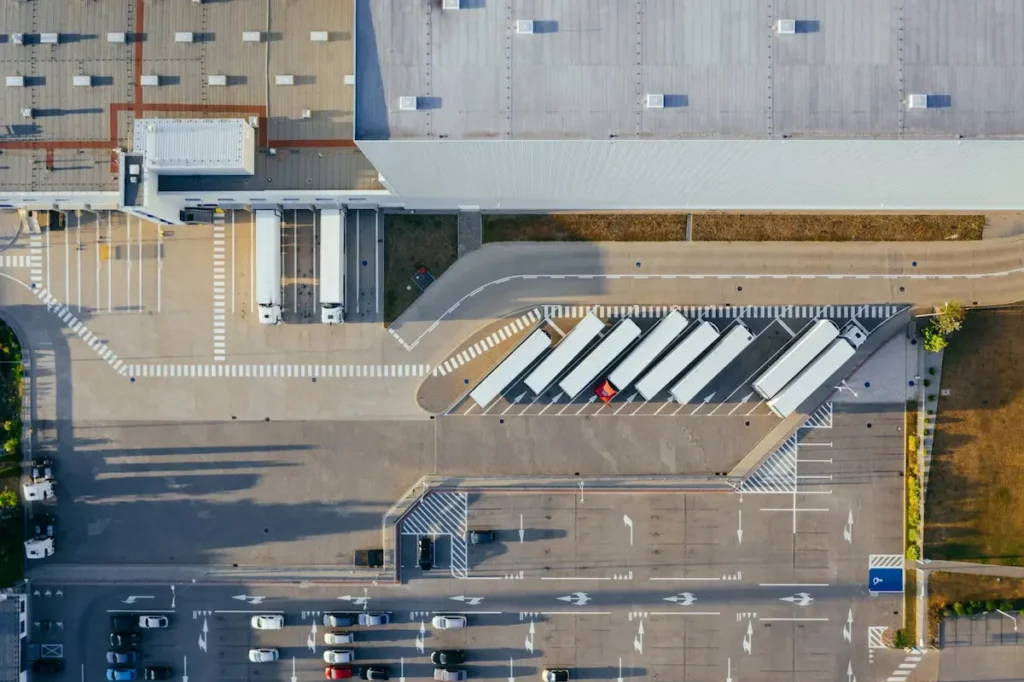
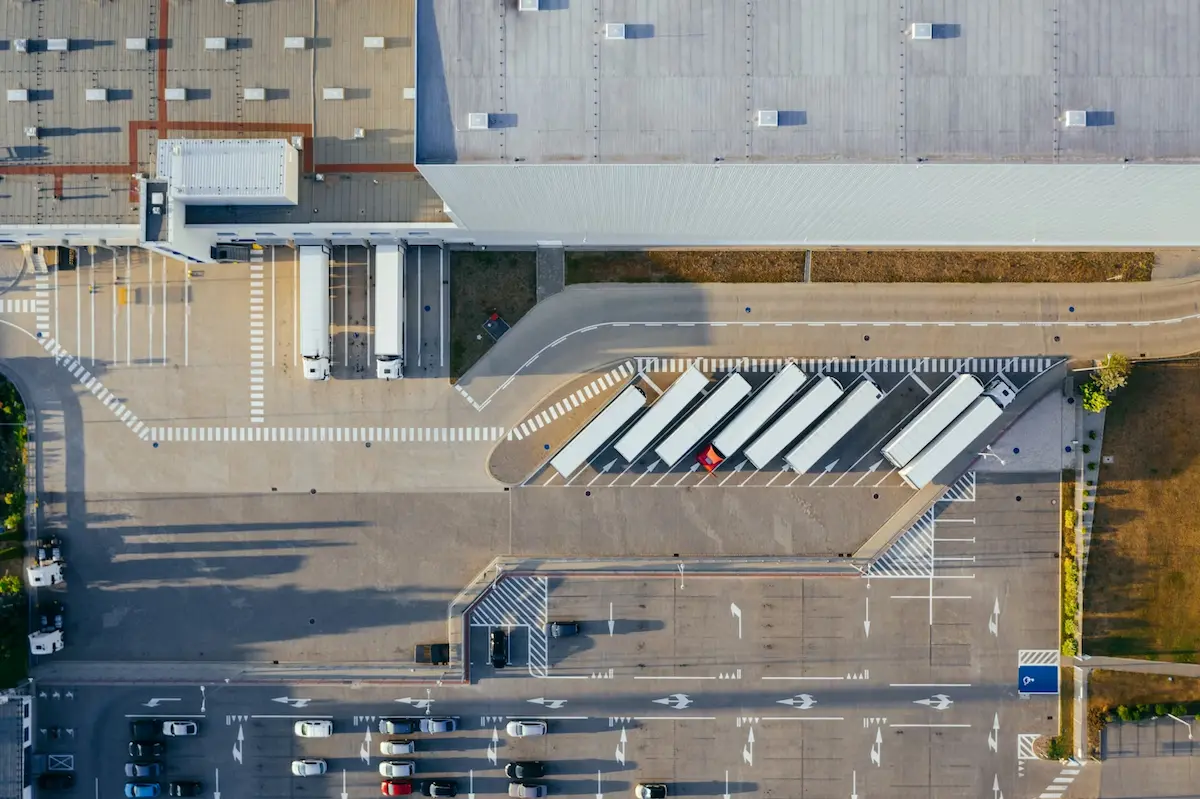
The Kase Dallas fulfillment center, located in one of the country’s most active transportation corridors, reflects this purpose-built approach. With direct access to major highways and air freight routes, inventory flows in and out with a rhythm that supports high-volume, time-sensitive shipping.
Technology plays a major role here as well. Real-time inventory visibility, barcode scanning, and system integrations help ensure accuracy while keeping order velocity high. These tools power day-to-day operations, and reduce friction while at the same time creating consistency across fulfillment cycles.
Add trained warehouse teams who work within these systems daily, and the result is a level of operational flow that supports both reliability and speed. For businesses looking to scale without constantly redesigning internal processes, this kind of infrastructure provides a stable foundation.
Flexible Capacity That Grows with Demand
Growth rarely arrives in neat, predictable increments. Promotions, seasonal demand, and new product launches can shift volumes quickly, which often tests the limits of fixed warehouse footprints.
This is where 3PL outsourcing shines; because rather than locking into long-term space commitments or hiring cycles, companies gain access to flexible capacity that expands naturally with demand.
Dedicated facilities are designed to accommodate these fluctuations, which in practice means that additional storage, labor, and fulfillment resources are brought online as needed, allowing businesses to scale up during peak periods and settle into steady rhythms afterward.
This elasticity supports confident expansion into new markets or sales channels, without the operational strain that often accompanies growth.
Beyond space and staffing, flexibility extends to expertise. Established 3PL providers bring refined processes, compliance knowledge, and continuous improvement practices that quietly elevate warehouse performance over time. This blend of adaptability and experience creates an environment where scaling feels intentional rather than reactive.
Faster Reach, Stronger Customer Connections
Customers today notice how fast their orders arrive just as much as what’s inside the box. Delivery speed has become part of the brand experience, which is why warehouse location matters more than ever. When inventory is placed in a central logistics hub, businesses can cover a large portion of the U.S. with shorter transit times and more predictable delivery windows.
Orders move faster, shipping costs stay in check, and customers feel the difference. That’s the kind of fulfillment that builds trust, keeps shoppers coming back, and strengthens a brand’s reputation long after the package hits the doorstep.
With fulfillment execution in expert hands, companies can devote more attention to building relationships, refining their offerings, and responding to market trends.
As freight volumes rise and customer expectations continue to sharpen, scalable warehouse strategies are becoming essential. The good news is that third-party logistics outsourcing offers a balanced path forward — blending infrastructure, flexibility, and reach into a single, streamlined model. By partnering with fulfillment centers designed for growth, businesses position themselves to move inventory efficiently while staying ready for whatever tomorrow brings.