
While anticipated by many, in an unprecedented direct response, President-elect Donald Trump has thrown his support behind dockworkers represented by the International Longshoremen’s Association (ILA) as they grapple with the contentious issue of port automation.
The issue, centering on the future of U.S. ports and its workforce, underscores the delicate balance between technological progress and the protection of labour and employment.
The Conflict: Automation vs. Employment
The ILA, representing approximately 47,000 dockworkers across the U.S. East and Gulf Coasts, is locked in a stalemate with the United States Maritime Alliance (USMX). The union opposes automation, citing job losses and economic harm to American workers.
Meanwhile, the USMX argues that modern technologies are essential for improving safety, increasing efficiency, and maintaining competitiveness in a global market.
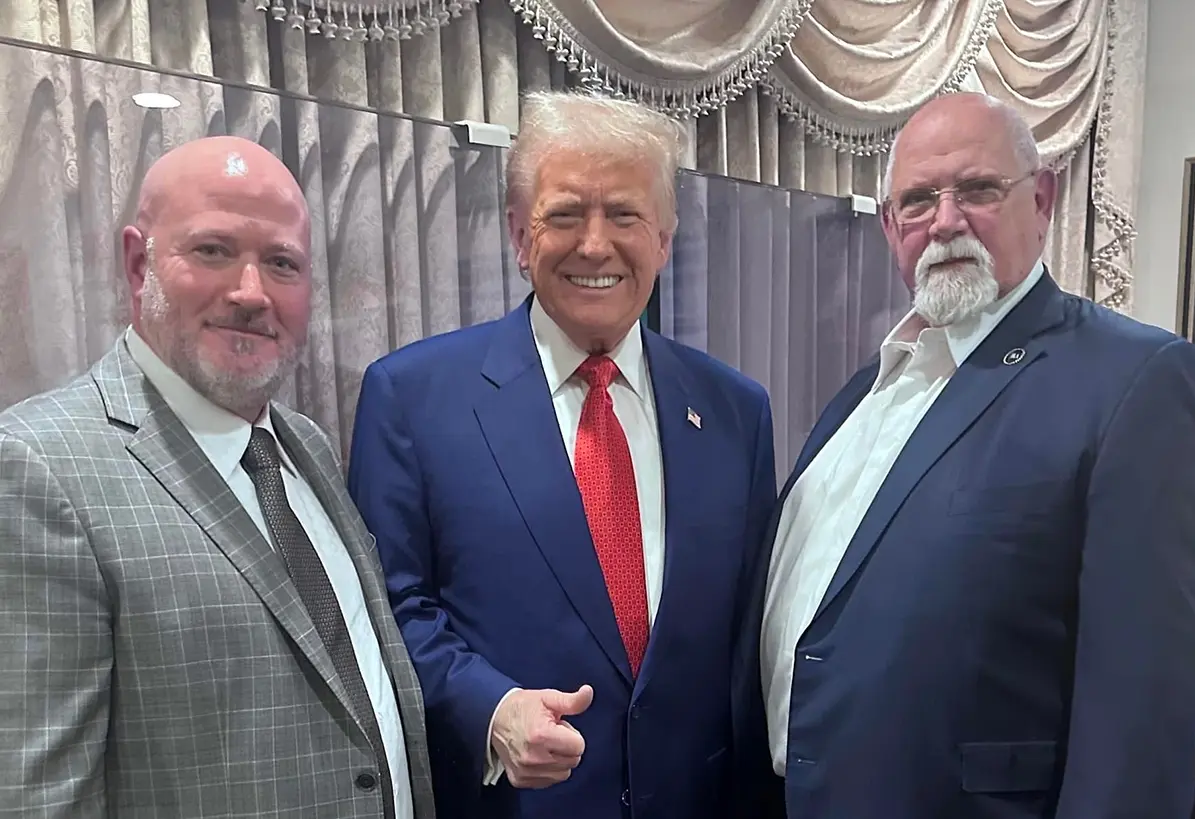
Trump’s intervention, marked by his meeting with ILA leadership and statements on his Truth Social platform, highlights his stance against automation at the expense of jobs.
Arguing in support of the labour force, Trump said, “I’ve studied automation, and know just about everything there is to know about it. The amount of money saved is nowhere near the distress, hurt, and harm it causes for American Workers, in this case, our Longshoremen.”
Notable political shift in labour relations
Trump’s alignment with the union is a notable departure from typical Republican policies. Traditionally, Republicans have championed business-friendly approaches that often include technological advancement.
However, Trump’s advocacy for the ILA reflects his broader appeal to labor unions and his “America First” rhetoric. His statement that “foreign companies should hire our incredible American Workers instead of laying them off and sending profits overseas” resonated deeply with dockworkers and union leaders.
Economic implications of a potential strike
The union has set a January 15, 2025, deadline to reach an agreement, just days before Trump’s inauguration. Failure to resolve the dispute could result in a nationwide port strike, disrupting supply chains and costing the U.S. economy up to $1 billion daily.
This strike would impact essential goods, ranging from food and electronics to furniture, causing ripples across various industries.
Concerns about infrastructure and global competitiveness
ILA leadership has criticized outdated port infrastructure, emphasizing that issues like inadequate highways, bridges, and rail systems compound operational challenges. They argue that automation proposals often ignore these systemic inefficiencies, shifting the blame unfairly onto labor productivity.
The issue of outdated port infrastructure and the capability of the dockworkers in the USA closely resonates with what Capt.Sarno of MSC talked about the issues facing Transnet, the State Owned Enterprise running South African ports, and the problems plaguing its ports.
Response from United States Maritime Alliance, Ltd. (USMX)
Responding to Trump’s statement, USMX said in a statement “We appreciate and value President-elect Trump’s statement on the importance of American ports. It’s clear President-elect Trump, USMX, and the ILA all share the goal of protecting and adding good-paying American jobs at our ports.
But this contract goes beyond our ports – it is about supporting American consumers and giving American businesses access to the global marketplace – from farmers, to manufacturers, to small businesses, and innovative start-ups looking for new markets to sell their products.
To achieve this, we need modern technology that is proven to improve worker safety, boost port efficiency, increase port capacity, and strengthen our supply chains. ILA members’ compensation increases with the more goods they move – the greater capacity our ports have and goods that are moved means more money in their pockets.
We look forward to working with the President elect and the incoming administration on how our members are working to support the strength and resilience of the U.S. supply chain and making crucial investments that support ILA members and millions of workers and businesses across the entire domestic supply chain, improving efficiency and creating even more high-paying jobs for ILA members.”
So, what next?
The debate encapsulates a broader discussion about the role of automation in the U.S. economy. While the ILA seeks to protect jobs, the USMX and shipping companies stress the necessity of technological advancements to meet global demands.
Both sides agree on the importance of maintaining well-paying jobs and strengthening the nation’s supply chains, but the means to achieve these goals remain highly contested.
As the January deadline looms, Trump’s involvement has added a new dimension to the ILA automation negotiations. His backing of the ILA not only elevates labour concerns but also challenges the traditional business-labor dichotomy, potentially reshaping labor relations in the U.S.
This unfolding scenario is a critical test for the incoming administration, the labour movement, and the shipping industry.
The resolution—or lack thereof—will have far-reaching consequences for the future of U.S. ports, workers, and global trade dynamics.