
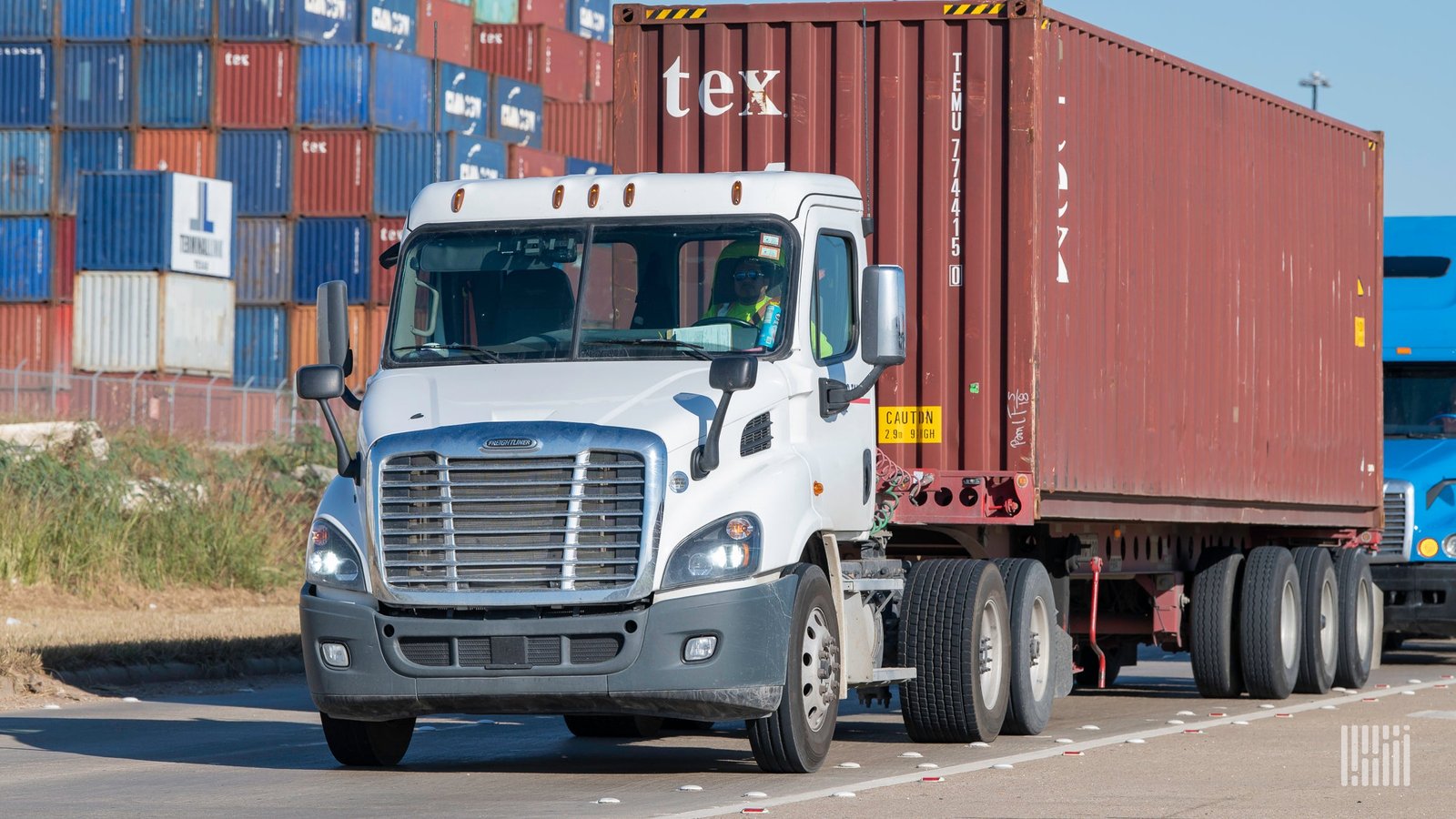
North American port container drayage and rail ramp operations “are running relatively smoothly,” with little change expected through the end of the month.
The exception is Canada’s Port of Vancouver, which is still working through a backlog of containers, according to the January U.S. Port/Rail Ramp Freight Index released by ITS Logistics.
“Vancouver is still clearing a three-week backlog of containers that are awaiting rail transit,” said Paul Brashier, vice president of global supply chain for ITS Logistics, in a release. “The Lunar New Year rush, a November port strike that has now come to an end, and lack of rail equipment are contributing to the Vancouver terminal challenges.
“U.S. West Coast port and rail ramp operations will remain at an elevated status, and there are still concerns that there may be an increase in trans-Pacific inventory front-loading throughout the month. This is in addition to Western Canada port and rail issues.”
The index forecasts port container and dray operations for the Pacific, Atlantic and Gulf regions, as well as West and East inland ocean and domestic container rail ramp operations.
While Vancouver is on course to clear congestion by next month, that could change amid plans by the Trump administration to levy new tariffs on imports from Canada.
Frontloading by shippers due to tariff uncertainty and a now-averted strike by East Coast longshore workers drove all November container imports higher by 14.7% from a year ago to 2.17 million twenty-foot equivalent units, ITS said, citing data from the National Retail Federation, which projected December volume 19% better at 2.24 million TEUs.
The late volume led the NRF to revise full-year volume upward to 25.6 million TEUs and a further 10% y/y increase in January and March. February is expected to be weaker on account of the timing of Lunar New Year.
“Shippers should prepare for the potential of a front-loading event similar to 2018, impacting trans-Pacific trade lanes from Asia into North America — regardless of origin — as front-loading bottlenecks at the same entry point ports,” said Brashier. “Industry professionals should also expect exports to be negatively impacted as well due to equipment imbalance and these possible retaliatory tariffs.”
Find more articles by Stuart Chirls here.
Related coverage:
Sola to head Federal Maritime Commission
Asia-US container rates decline in slack season
Ocean rates could fall as Houthis say they will end Red Sea attacks