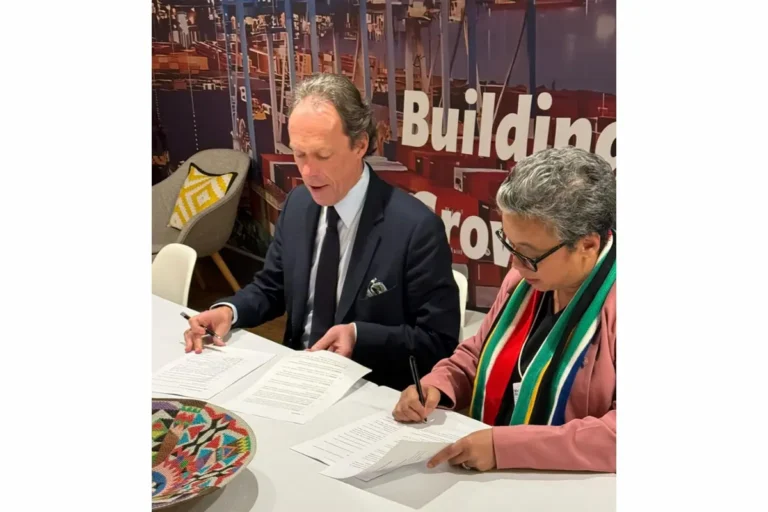

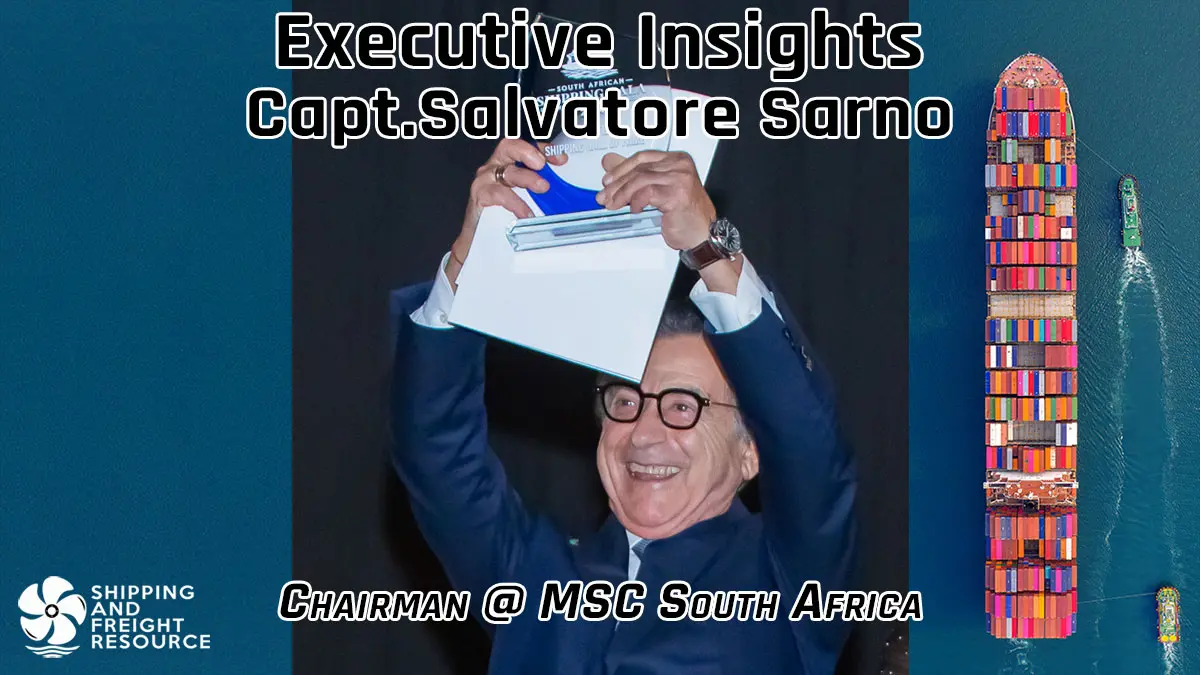
Captain Salvatore Sarno, Chairman of MSC South Africa, one of the most celebrated names in the South African and global shipping industry has been synonymous with his passion for the industry, hard work, logic, growth and optimism..
This episode of Executive Insights series by Shipping and Freight Resource features Capt. Sarno where we discuss his journey, the evolution of the maritime industry in South Africa, and his passionate advocacy for the sector’s growth and collaboration..
Capt. Sarno shares his candid views on the challenges, opportunities, and the way forward for South Africa’s maritime landscape..
SFR: Captain Sarno, you have been instrumental in shaping the maritime sector in South Africa.. What are some of the key changes you’ve witnessed since you arrived in South Africa..??
CS: When I arrived in South Africa in 1997, the maritime landscape was vastly different. One of the most significant changes I’ve observed is the dismantling of monopolies in clearing, forwarding, and logistics, previously dominated by a few large family-run entities..
This shift opened opportunities for numerous smaller agencies, bringing personalised and innovative services to the industry.
Another transformation has been the growth in containerised mineral shipments, driven by smaller mining operators who required solutions for lower-volume exports. This development significantly boosted container volumes in the region.
Lastly, the opening of South African ports to international shipping lines has increased competition and accessibility, greatly benefiting importers and exporters.
SFR: Despite these advancements, South African ports were ranked very low in productivity in the latest World Bank report.. What are your thoughts on this, and what can be done to improve performance..??
CS: The World Bank’s assessment was, in my opinion, unfair and punitive. A decade ago, South African ports performed at productivity levels comparable to many European ports, achieving 25-27 container moves per hour per crane. This was thanks to proper equipment, maintenance, and motivated workers.
However, neglect in maintaining infrastructure and a lack of investment in new equipment have significantly hindered operations.
South African port workers are second to none with a very good spirit. They are very very skilled and capable, but their potential is undermined by these systemic issues.
While privatisation has been touted as a solution, I believe that re-investing in port infrastructure, getting the right equipment, proper maintenance and effective partnerships between stakeholders can restore productivity without compromising public ownership.
SFR: Speaking of partnerships, how can South Africa capitalise on opportunities arising from global shipping trends, such as rerouting around the African continent..??
CS: Opportunities for South Africa to benefit from the rerouting are limited. Large vessels, particularly ultra-large container ships, bypass South African ports due to capacity constraints and high bunker costs.
For South Africa to compete, we need investments in infrastructure that can accommodate larger vessels and provide cost-competitive services.
SFR: You’re a mentor and role model to many in the industry.. What advice do you have for young professionals aspiring to succeed in maritime..??
CS: Leadership begins with knowledge. To lead effectively, one must master their craft first through passion and dedication. I emphasise to my team the importance of starting each day with purpose and clarity about the tasks ahead just like myself and Mr.Aponte do.
The world is full of mediocrity, but a simple philosophy that I share with my people is that “If you are just normal, you may go up, but if you have the passion and you put that into your job much more than normal, then you will become a leader.”
At MSC, we’ve implemented training programs that combine classroom learning with hands-on experience, ensuring young professionals are well-prepared for the demands of the industry.
The key is to be more than mediocre—passion and extra effort will set you apart and pave the way to leadership.
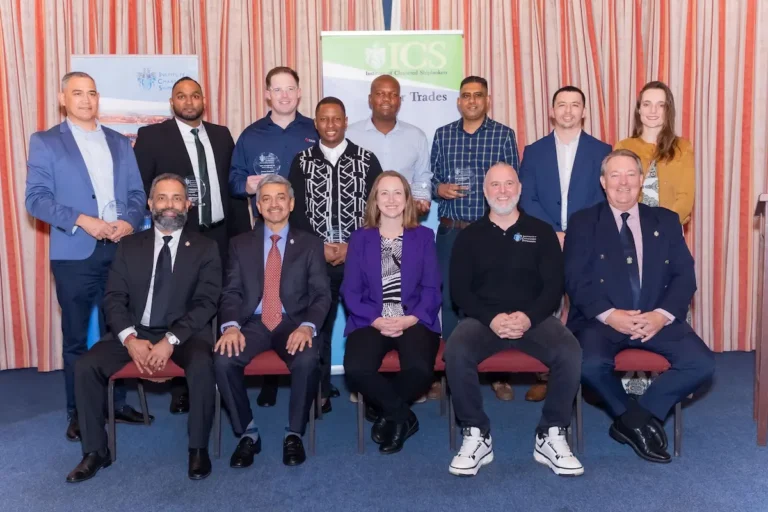
SFR: The recent South African Shipping Gala honoured you with the first Shipping Hall of Fame award.. How do events like this contribute to the industry..??
CS: Such events are vital for uniting the shipping community. Over the years, I’ve seen fragmented efforts by various stakeholders in organising such events, which dilute the industry’s collective impact.
Events like the South African Shipping Gala offer a platform to bring together shipping lines, clearing agents, trucking companies, and other stakeholders to work towards shared goals. Collaboration is essential for tackling industry challenges and ensuring long-term growth.
Conclusion
Capt. Sarno’s passion and insights underscore the potential of South Africa’s maritime industry to thrive through collaboration, investment, and leadership.. The call for unity and shared vision serves as a timely reminder of what the sector can achieve when all of its stakeholders work together..