
The past week delivered a headline that, at first glance, looked more like a tabloid curiosity than a logistics case study..
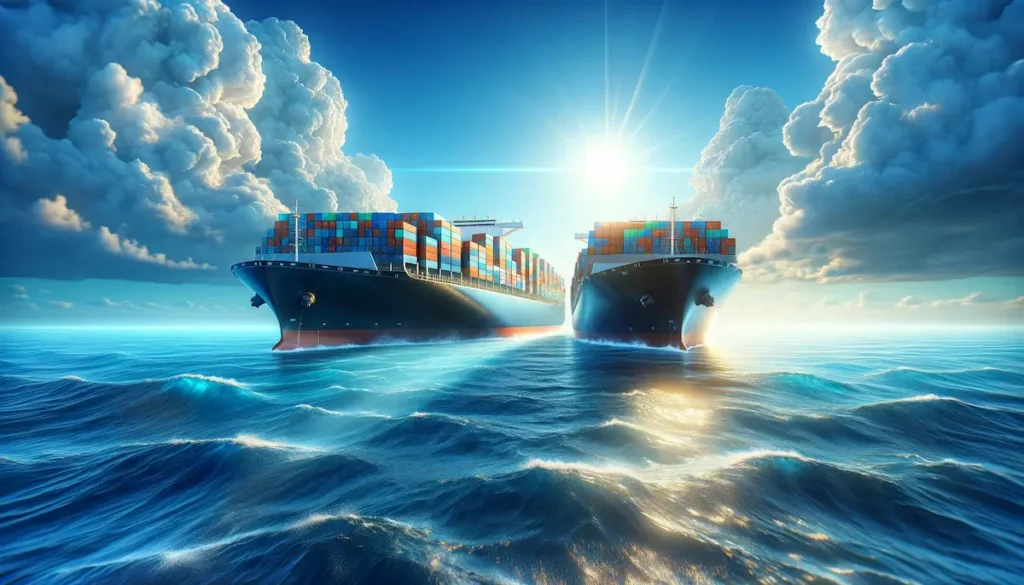
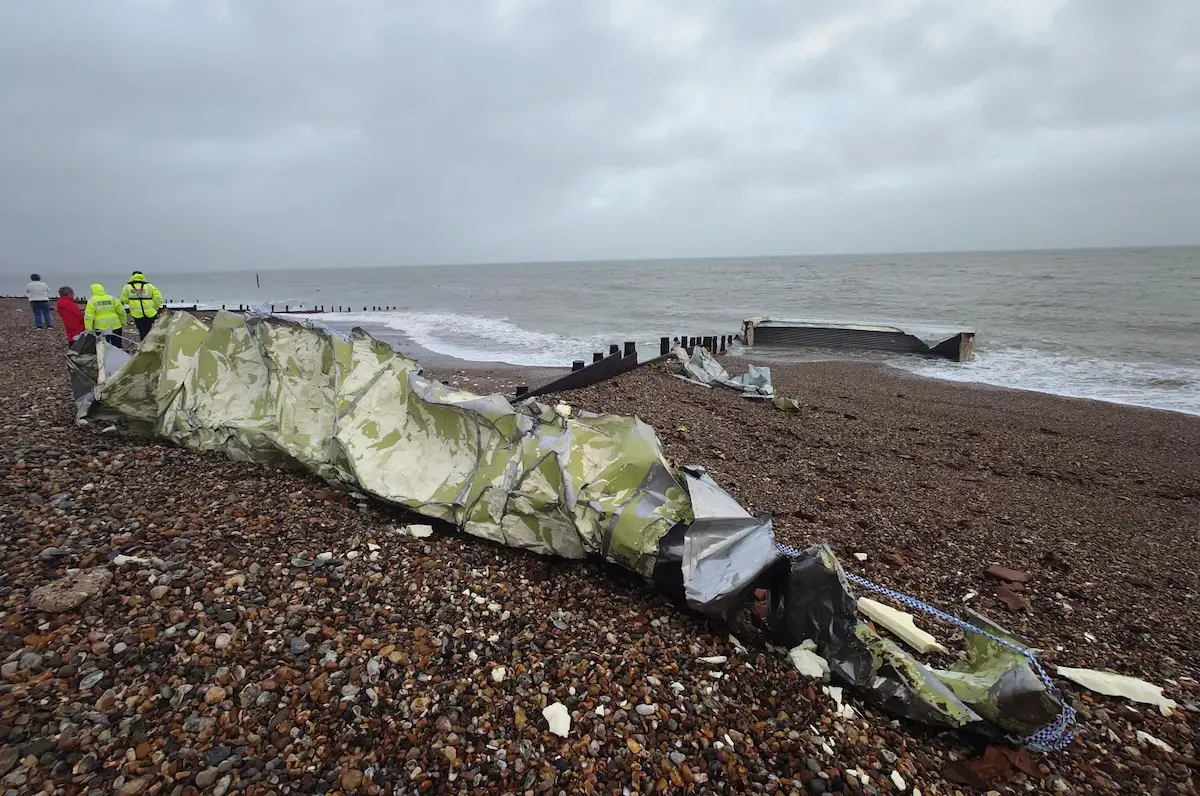
Bananas washed ashore along stretches of the British coastline after several refrigerated containers toppled from a cargo vessel during rough seas..
Social media had its fun, newspapers published their obligatory aerial photographs of yellow-speckled beaches, and onlookers marvelled at how global trade occasionally manifests itself in unexpected places..
At a time when vessels are larger, turnaround times are tighter, and global cargo volumes are at record highs, the assumption that “cargo loaded is cargo delivered” remains surprisingly fragile..
Containers lost at sea
According to the latest data from the World Shipping Council, 576 containers were lost at sea in 2024, up from 221 in 2023, an increase of more than two and a half times..
Even though this represents only a fraction of the roughly 250 million containers shipped each year globally, the trend is a reminder that container loss is not a relic of early containerisation.. It is a continuing operational risk..
What makes the banana incident a useful case study is that although many containers vanish without a trace because they sink, rupture underwater, or drift beyond sight, only when cargo floats and washes ashore, the public notices..
The shipping industry has long been aware that many losses never make headlines.. Until mandatory reporting comes into force under the IMO amendments in 2026, the true number of containers lost at sea remains an educated estimate..
The scale of the problem is not measured solely in container counts.. The real issue lies in the operational practices behind them..
Ships today carry stacks of containers several stories high, generating windage and stability challenges unimaginable a generation ago..
Port rotation schedules leave little room for inspection, and misdeclared container weights continue to distort stability calculations, despite a decade of regulatory attempts to eliminate the problem..
High-volume containerisation has outpaced the discipline required to secure cargo safely, turning routine voyages into potential loss events..
The banana spill does not signal a statistical anomaly.. It confirms a longstanding vulnerability: no matter how advanced the industry becomes, basic cargo security remains its Achilles’ heel, and this is currently exacerbated by extreme weather conditions worldwide..
Ongoing debate about liability
The facts of the recent incident are straightforward: a cargo vessel navigating rough sea conditions lost several containers..
Among them were units carrying bananas, which eventually burst open and drifted ashore.. Local authorities cordoned off the area, not because bananas pose a health hazard, but because UK salvage law requires any recovered wreck material, including cargo, to be reported to the Receiver of Wreck..
Despite its comic veneer, this incident cuts directly into the ongoing debate about “who is liable” when containers fall into the sea..
As we know, in container shipments, there are several stakeholders – carrier, charterer, stevedores, ship registry, and cargo owner..
There are situations where all of these parties may have fulfilled their duties, only to be defeated by nature, but there are many more where cargo security failures can be traced to operational shortcuts, insufficient stowage checks, or poorly enforced standards..
While it is premature to decide who has the liability here, the issue remains that someone may be liable for damages and loss to cargo, clean up measures on the beach, disposal, potential environmental damage etc..
The legal and commercial consequences
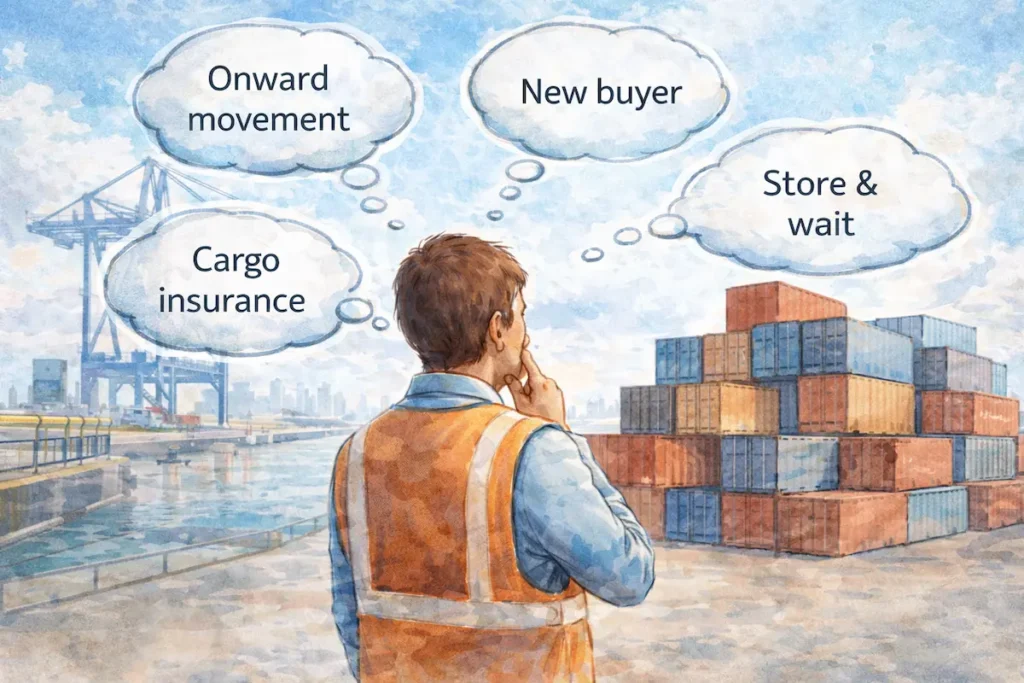
For cargo owners, the lesson is blunt: marine cargo insurance is not optional.. Despite the ever-increasing value of global shipments, a surprising number of exporters and importers still entrust their goods to a multimodal chain without understanding that the carrier’s liability is capped, often at levels that would not cover a fraction of the loss..
For carriers, the imperative is equally clear: operational excellence cannot be treated as a suggestion.. Every container that goes overboard is a reputational dent, a potential legal dispute, and a future regulatory burden..
For insurers and P&I Clubs, this incident is yet another signal that claims related to container loss will become more frequent, more complex, and harder to adjudicate once full reporting becomes mandatory.. The more the industry knows, the less it can ignore..
Bananas are harmless – the next cargo may not be
The irony of this incident is in its harmlessness in terms of its cargo, but if you replace bananas with lithium batteries, corrosive chemicals, pressurised gases, or fertiliser compounds, the same event becomes a marine casualty, an environmental crisis, or a mass-casualty risk..
The container that washes ashore today may be a photo opportunity for many.. But the one that washes ashore tomorrow could be a headline nobody wants to read..