
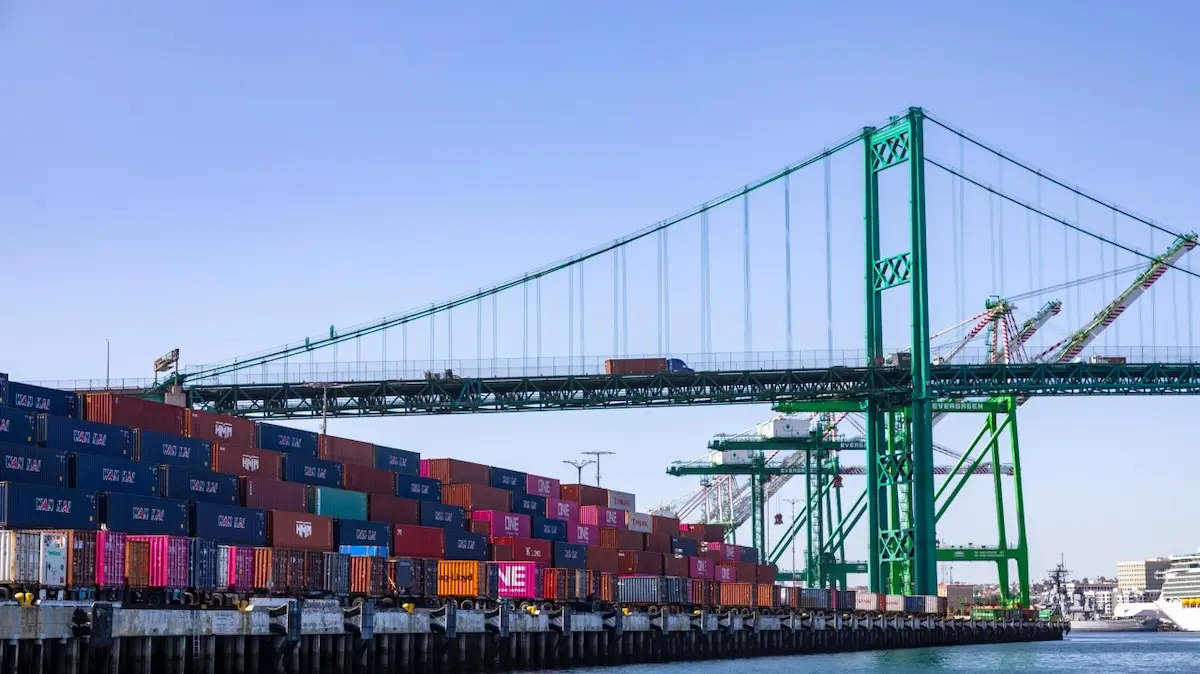
In 2025, supply chain professionals have been watching closely as the intermodal transport system, particularly in the United States, continues to weather a series of disruptive forces..
From tariff-driven swings in cargo volumes to shifting regional competitive patterns, the fallout has gone beyond mere short-term blips and is pointing to more structural changes in how freight flows through major gateways..
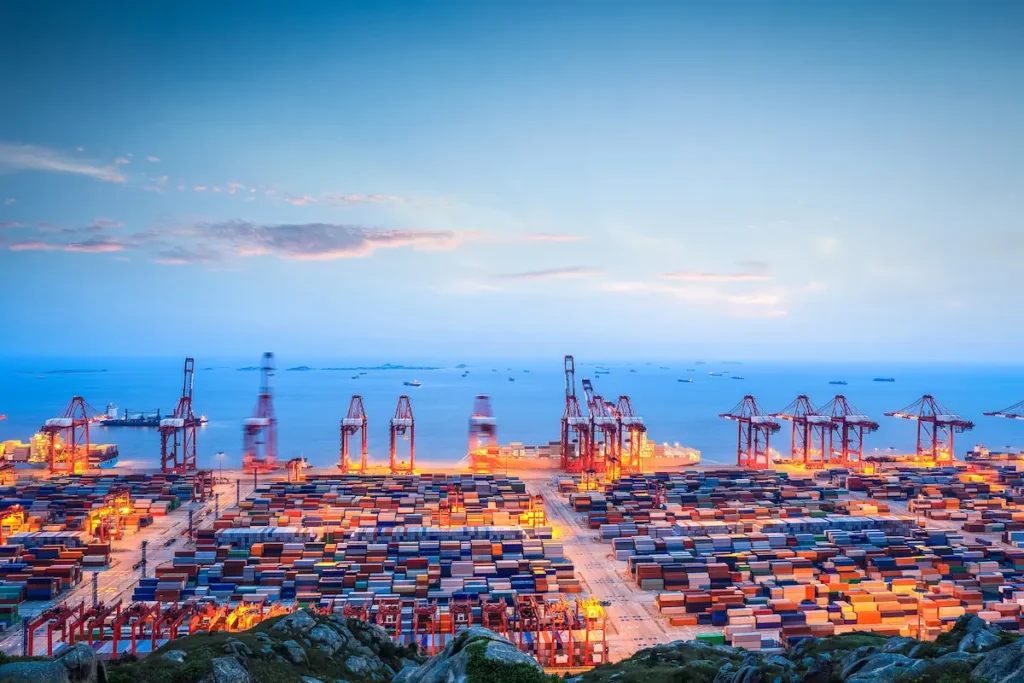
One telling signal of this shift is the widening performance gap among key West Coast port complexes..
As the Pacific Merchant Shipping Association recently highlighted, the Ports of Los Angeles and Long Beach have surged well ahead of peers like Oakland and the Seattle/Tacoma region when viewed against long-term baselines..
According to the association’s year-to-date data, San Pedro Bay’s combined volumes are significantly higher relative to pre-pandemic levels, while Northern California and the Pacific Northwest have lagged markedly..
“The current spread between the best and worst performing West Coast port complexes stands at 45 percentage points, with Los Angeles/Long Beach at +27% above 2006 levels while NWSA sits at −18% below 2006.”
This divergence is more than just an operational statistic; it reveals shifts in competitive dynamics, with some ports gaining discretionary volume at the expense of others..
Reported performance figures from East Coast, Gulf Coast, and Canadian gateways like Houston, Savannah, and Vancouver indicate that many non-West Coast hubs are competing effectively for intermodal business, further eroding traditional patterns of cargo flow..
Macro pressures driving divergence
The intermodal system does not exist in a vacuum.. Several macroeconomic and policy pressures have contributed to the complex picture in 2025:
The intermodal system’s broader competitive landscape
While the West Coast divergence story is compelling, it dovetails with a broader trend in North American intermodal traffic.. Railway and intermodal freight reports suggest that overall North American intermodal volumes have recorded modest growth year-to-date, buoyed by stable cross-border movements and a partial rebound in West Coast export and import activity..
Even so, the narrative is not uniformly positive.. In the heart of peak season, intermodal traffic on some lanes showed only marginal year-on-year growth, underscoring lingering uncertainty in demand..
What this means for Shippers and Supply Chain managers
For logistics professionals and shippers, these developments present both challenges and opportunities:
Looking ahead: Is 2026 a reset year?
It is too early to call 2025’s trends permanent.. However, the repeated shocks to the intermodal system, be they policy-driven, macroeconomic, or operational, are making the divergence in port performance clearer and more consequential..
As industry observers have noted, these patterns may well presage longer-term changes in North American freight flows unless investment, policy, and competitive strategies evolve to address the current divergences..
Ultimately, understanding the nuanced interplay between port competitiveness, inland connectivity, and broader trade dynamics will be essential for stakeholders seeking to navigate the post-pandemic freight landscape with confidence..