
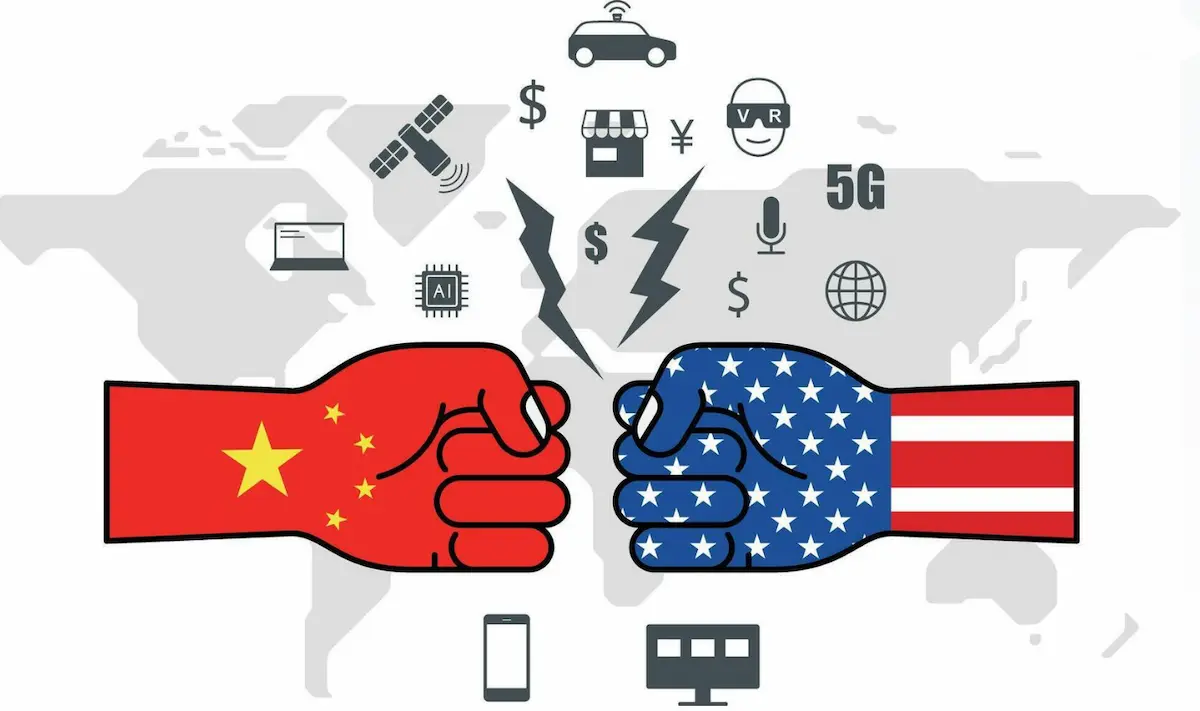
The global trade landscape has long been a battleground of competing policies, trade practices, and economic goals.. This is particularly true of the world’s top two largest economies – USA and China..
US tariffs on Chinese imports, originally intended to curb unfair trade practices and bolster USA’s domestic industries have inadvertently, or “as expected” by many, sparked a wave of innovation in evasive manoeuvres by the Chinese..
In a recent article, NUCO Logistics, a specialised freight forwarder and customs broker in Houston, has outlined the intricate methods Chinese firms have used/are using to bypass these tariffs..
From shifting production to other friendly nations to utilising intermediary routes, these tactics highlight the adaptability of global manufacturers and the weaknesses in the USA’s enforcement mechanisms..
We extended this discussion to explore the historical context of these trade manoeuvres with particular reference to President Trump’s first term in office and look at the potential change in dynamics his second term in office may bring from 2025..
Strategies adopted by Chinese manufacturers
- Production base – A key tactic that the Chinese manufacturers have adopted as part of this tariff evasion strategy is to relocate their production plants to nations that enjoy trading terms with the USA.. Countries like Mexico, Vietnam, and Malaysia have been identified as critical nodes for Chinese manufacturers looking to avoid tariffs..
- By establishing operations in these areas, Chinese firms are leveraging agreements such as the US-Mexico-Canada Agreement (USMCA) using which, goods produced in Mexico can enter the US tariff-free, effectively circumventing the original intent of the tariffs..
- Origin Obfuscation – Another common practice that Chinese manufacturers use seems to be rerouting goods through different countries to mask the origin of the products by relabelling and reissuing origin documents.. Such strategies complicate enforcement efforts as the CBP faces significant hurdles in tracking and verifying the true source of such goods as they could be done in parts..
Such strategies, however, is not unique to Chinese manufacturers.. US importers have also been found guilty of evading antidumping duties and countervailing duties by transhipping Chinese wooden cabinets and pipe fittings through Malaysia..
What does the 2nd Trump term mean for trade..??
In Trump’s first term, an aggressive approach to tariffs was one of the defining features of his presidency when it comes to trade..
While the policies were aimed more at protecting the manufacturing industry in the USA, correcting trade imbalances, and curbing intellectual property theft, they also set off a chain reaction of unintended consequences to trade including
- Increased consumer prices due to the increased tariffs
- Movement of production by Chinese manufacturers to low-cost countries in South East Asia – which hasn’t helped to increase manufacturing in the USA
- Increased global trade tensions as other countries may be expected to align with either the USA or China
With the return of Trump to office, speculation is rife that there would be new policies building on the groundwork laid during his first term including an unwavering commitment to tariffs which he has already made clear and a more aggressive approach..
This could include
- Increased tariffs not just on Chinese goods directly but on products known to originate from countries perceived to be aiding this Chinese evasion.. This is something that others like Republican Senator Marco Rubio have also been proposing..
- Increase in resources for the likes of Customs and Border Protection (CBP) to prioritise enforcement including monitoring of transhipment activities, implementation of penalties for tariff evasion, and targeting goods indirectly linked to Chinese manufacturers..
- Based on the above, this time around there could be a stronger push to bring more manufacturing back to the USA and reduce reliance on foreign manufacturing.. It is expected that this will be enabled by increased incentives for domestic production along with penalties for offshoring..
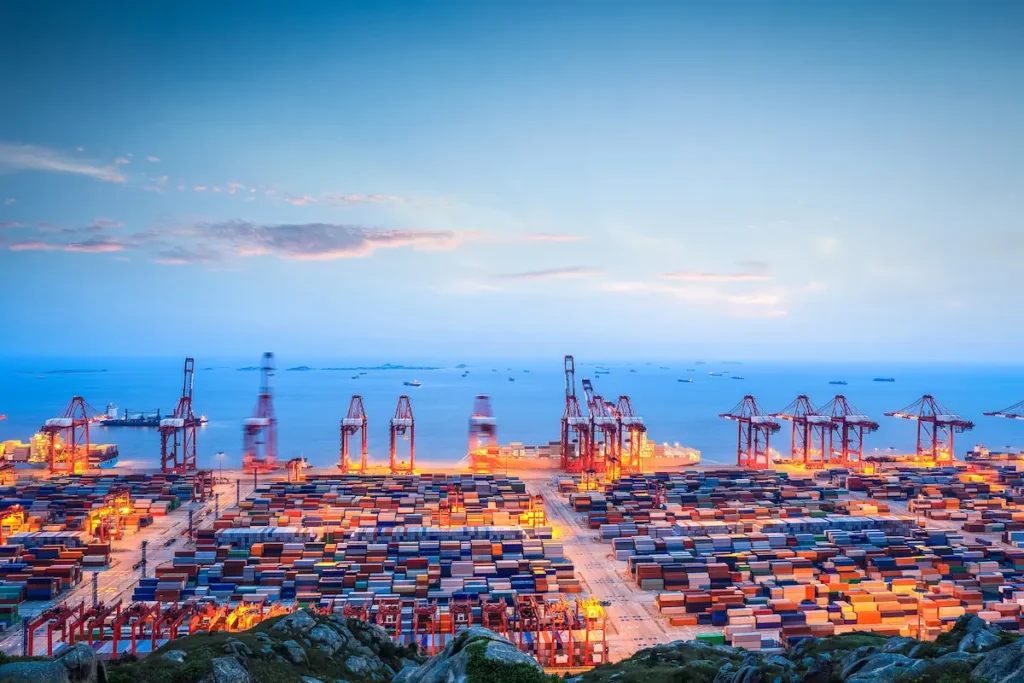
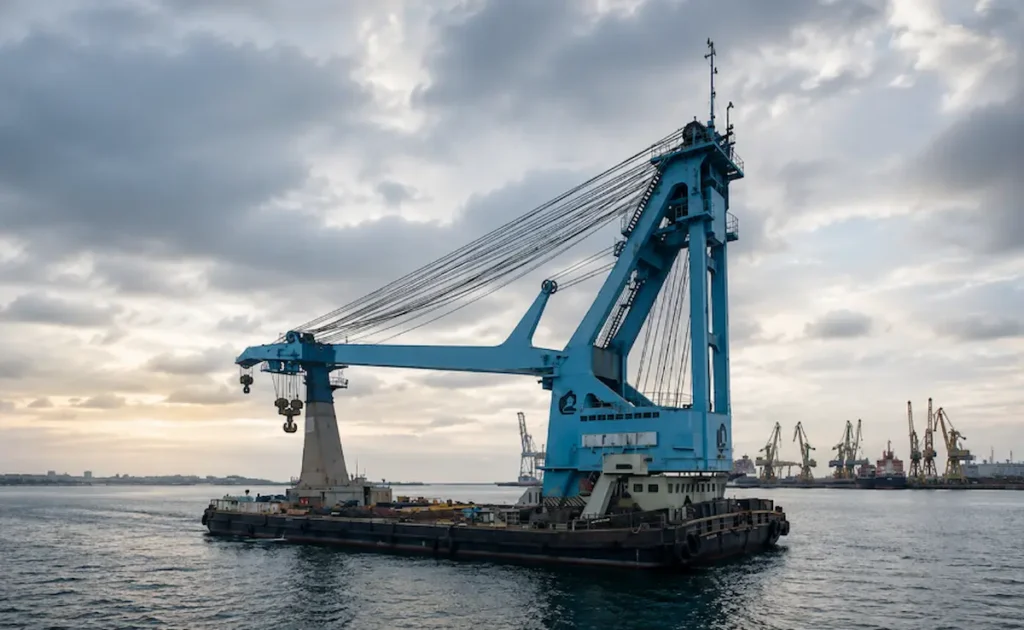
- Tighter restrictions on technology-related imports especially bearing in mind the rhetoric already around Chinese cranes in ports and their potential for spying and gathering crucial American data, a view also supported by the ILA whom Trump has already endorsed.. These restrictions and measures will form part of both trade policies and national security priorities..
The ripple effects of these policies and measures could be far-reaching impacting US businesses of all sizes.. NUCO’s article outlines implications for US businesses both big and small businesses including :
- Increased competition
- Adjustments and diversification of supply chains
- Cost implications
- Uncertainty in trade policies
- Need for US innovation
- Market diversification
- Access to affordable goods
- Retaliation risks that could affect US exports
- Impact on consumer demand
- Market volatility
Conclusion
The dynamics of this whole exercise highlight a pressing need for a more sophisticated approach by the USA toward trade policy because history has shown that tariff restrictions alone cannot address the complexities of modern global trade..
It requires a combination of strategies including enabling and emphasising transparency required to augment the enforcement efforts, strengthening global alliances and partnerships, and supporting domestic competitiveness through incentives and other beneficial policies..
Tariff evasion is not just an economic nuisance for the USA, it is a systemic problem that requires new thinking and coordinated efforts to address..
Trump’s return to office will require global businesses and policymakers in other countries to prepare themselves for a new wave of trade policies and measures to counter this evasion..
The USA has to balance protectionism with pragmatism to ensure that their trade policies support long-term economic growth while at the same time taking care not to alienate allies or pass on these trade burdens to the US consumer..
The trade wars of yesterday embarked on by the USA will evolve into the trade strategies of tomorrow and it remains to be seen how the next chapter will be defined in this ongoing saga..